Your supplier review produces six possible actions. Two lack an owner; one was rejected. The first automation job is to separate those from the commitments someone has approved for a specific project.
Choose the execution route from the destination’s available interface. A supported API or connector is usually the starting point for a repeated task write. RPA can operate a predictable application screen; a browser agent can interpret changing web paths. At low volume, reviewed manual entry may cost less to maintain.
Choose the route after the destination
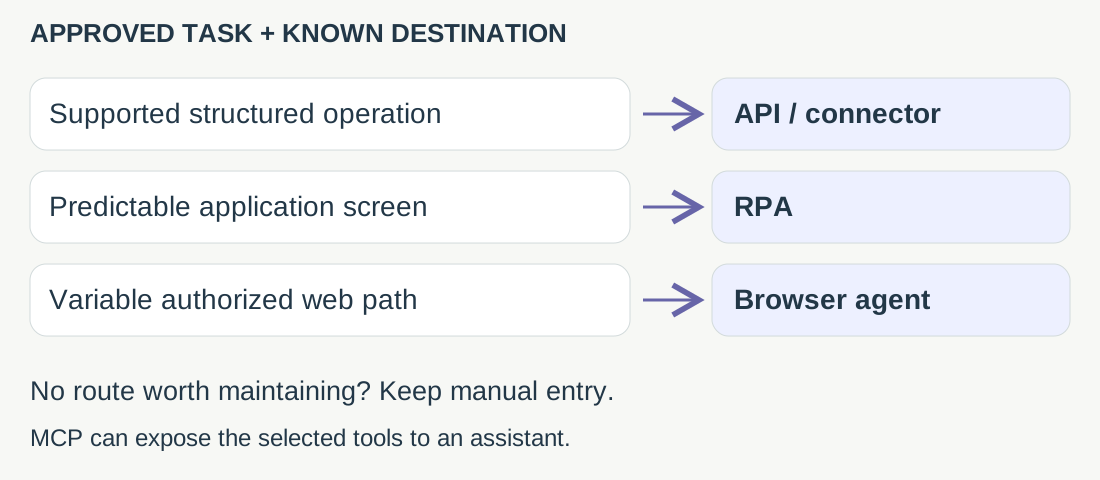
MCP standardizes tool discovery and invocation. It can expose an API or browser automation, so it overlaps the other choices. Retrieved meeting text supplies evidence; it does not grant permission to write. MCP tool specification .
| Offering | Use and operating responsibility |
|---|---|
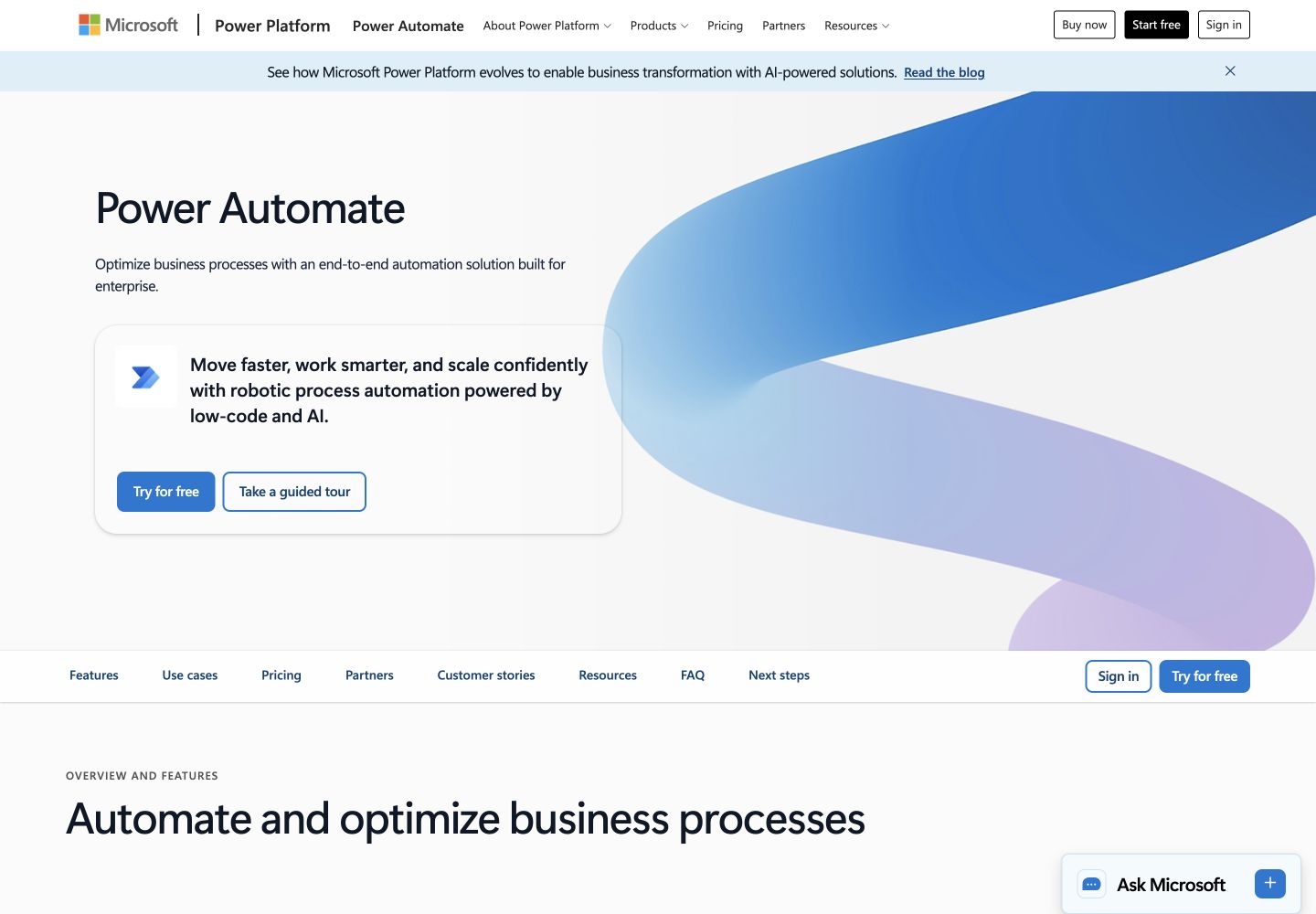
| Power Automate | Microsoft cloud connectors and Windows desktop flows; connector licenses, run identity and session recovery need an owner. |
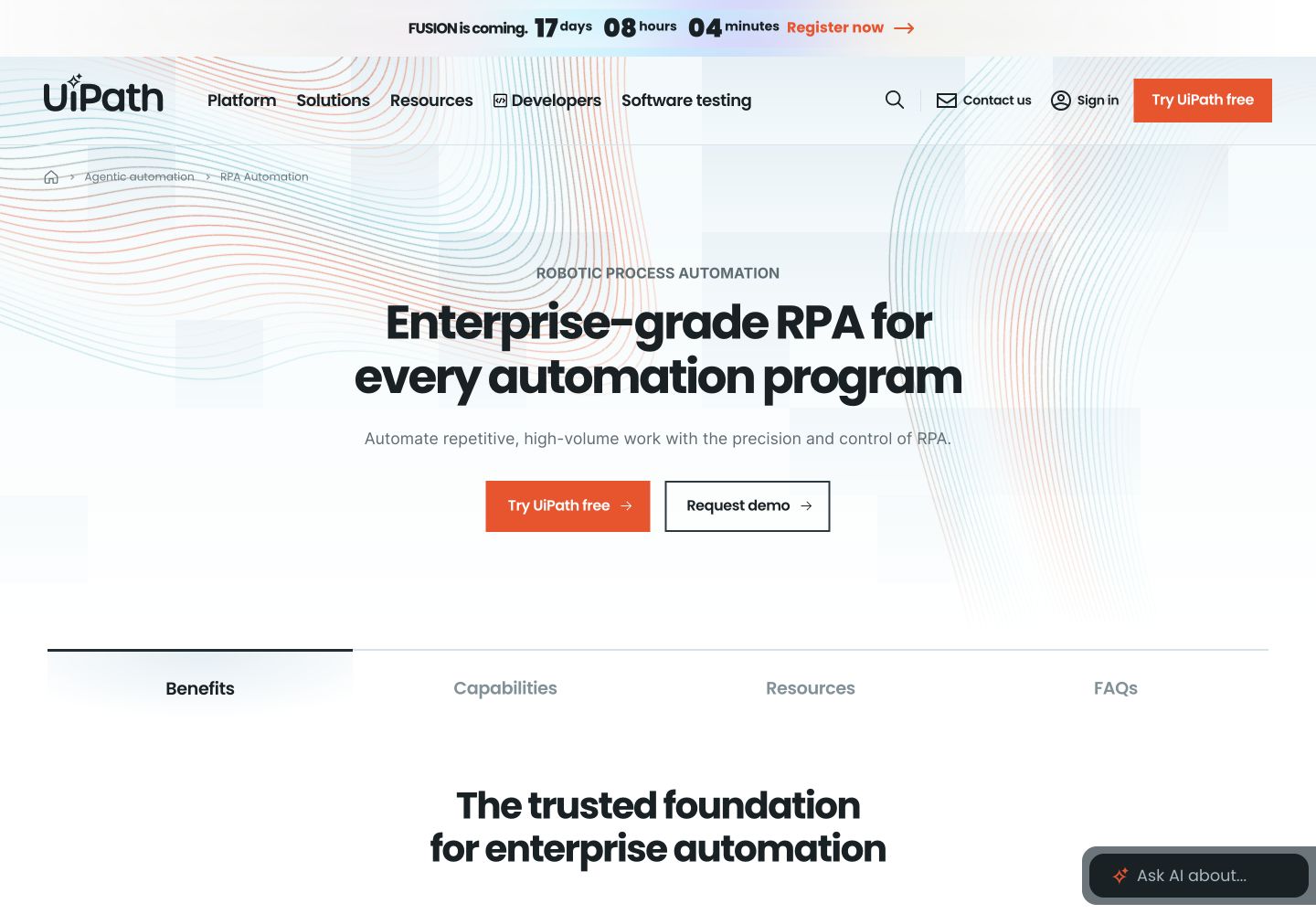
| UiPath | Enterprise RPA for legacy interfaces; maintain robot configuration and handle UI changes. |
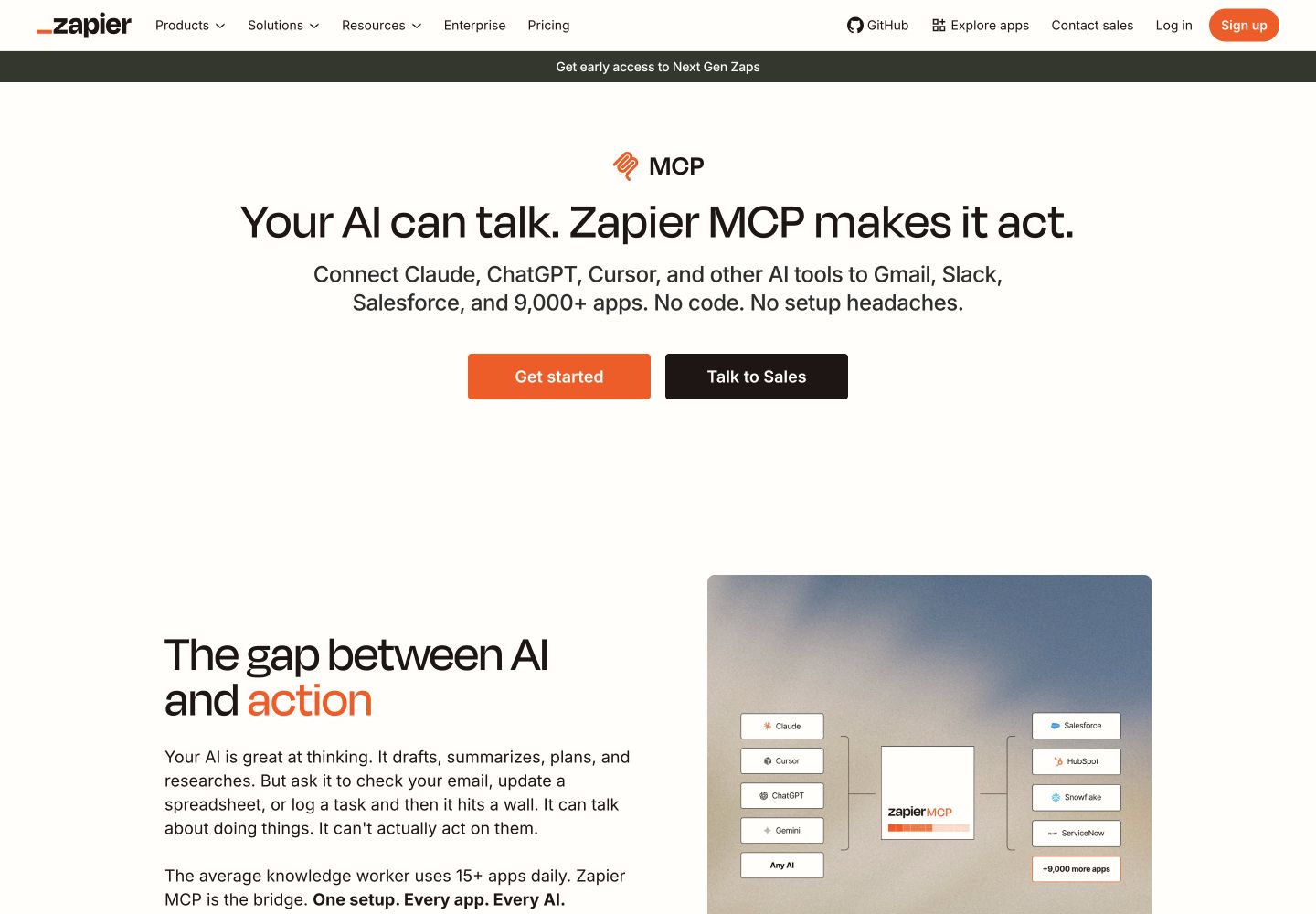
| Zapier MCP | App actions available to an AI client; restrict tools and approve the intended destination. |
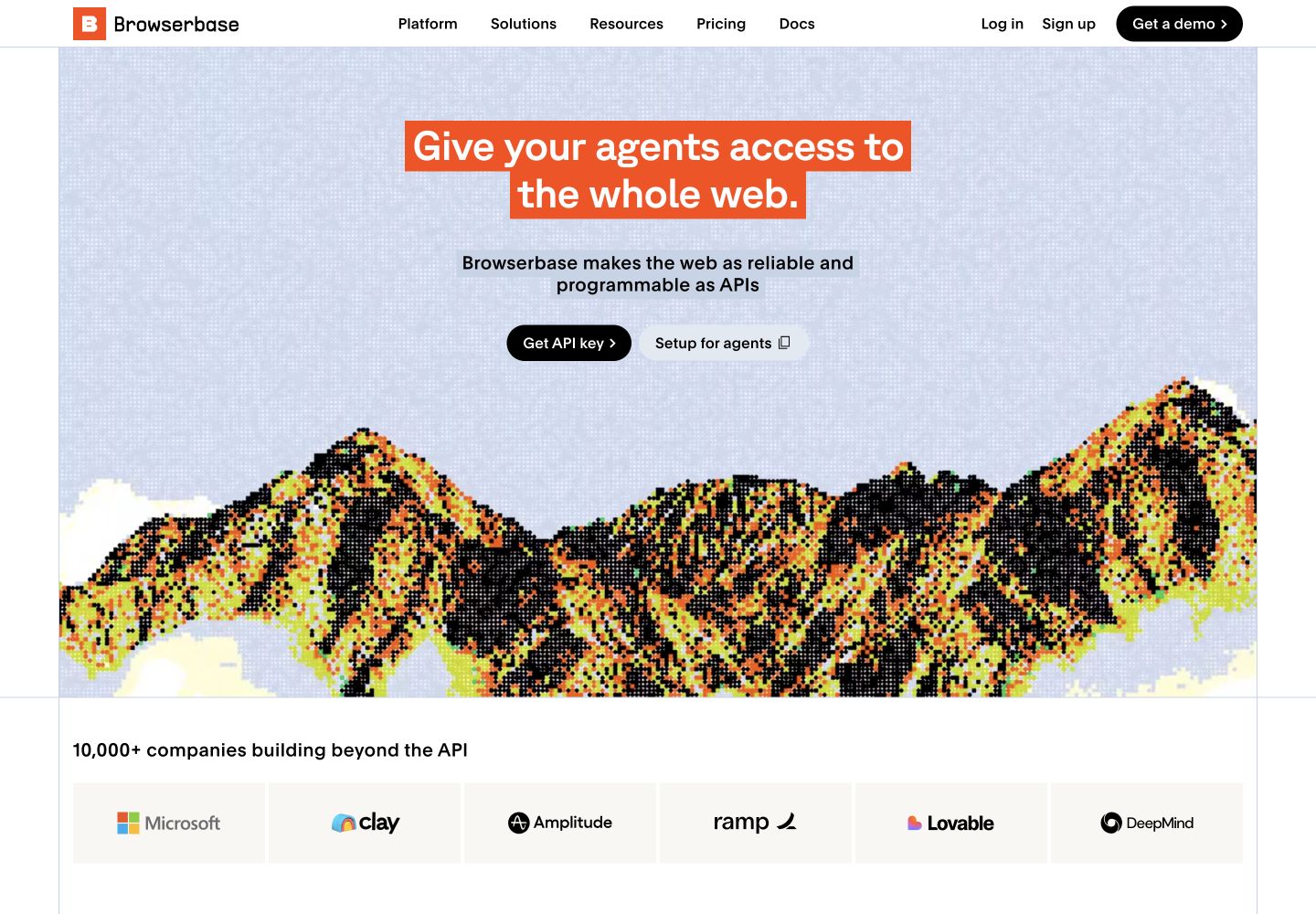
| Browserbase Agents | Web tasks across differing portal layouts; manage sessions, check saved results and handle failed runs. |
Sources: Power Automate , UiPath , Zapier MCP , Browserbase Agents .
Compare setup, licenses, review, failures and maintenance at your expected volume. Zapier currently counts each successful external-app MCP call as two tasks; failed calls and discovery are excluded. Usage rules .
Give the reviewer a concrete task
The routing worksheet follows a fictional handoff: Mina agrees to draft the revised sample schedule. A later clarification supplies September 19, 2026 as a date-only deadline. Ren approves those fields for the internal Supplier Review project; example record EXAMPLE-42 matches on read-back.
The first meeting alone did not establish the year. Preserve the clarification beside the source segment, and keep supplier communication as a separate approved action. VoicePing External Access can supply scoped meeting retrieval; the destination needs its own write interface and identity.
Rehearse a missing response
Suppose submission times out after the destination accepts the task. Repeating it may create a duplicate. Look up the resulting record or use the destination’s documented safe-retry contract. Stripe’s idempotency mechanism is one example, not a promise about your ticket system. Stripe documentation .
Before calling the workflow complete, compare the saved title, owner, date, project and source with the approved fields. If the result remains unknown, stop resubmitting and give the item to its support owner.
Start with one approved action in the worksheet. Automate it after the team can explain both its destination and its recovery path.
Documentation checked September 6, 2026. The handoff is synthetic; no external task was created.
Sources and service screenshots (4)
Public reference pages captured September 6, 2026.