In this article
Physical AI turns perception and reasoning into useful physical work: moving packages, tending machines, removing weeds, assisting procedures, or inspecting infrastructure. For businesses, its value depends on a measurable job and the full cost of delivering it.
This guide combines two charts, five use-case domains, and 25 startup profiles, checked on September 6, 2026. Start with the market estimate, use the circle to find your domain, then compare the companies and adaptation requirements.
What is physical AI?
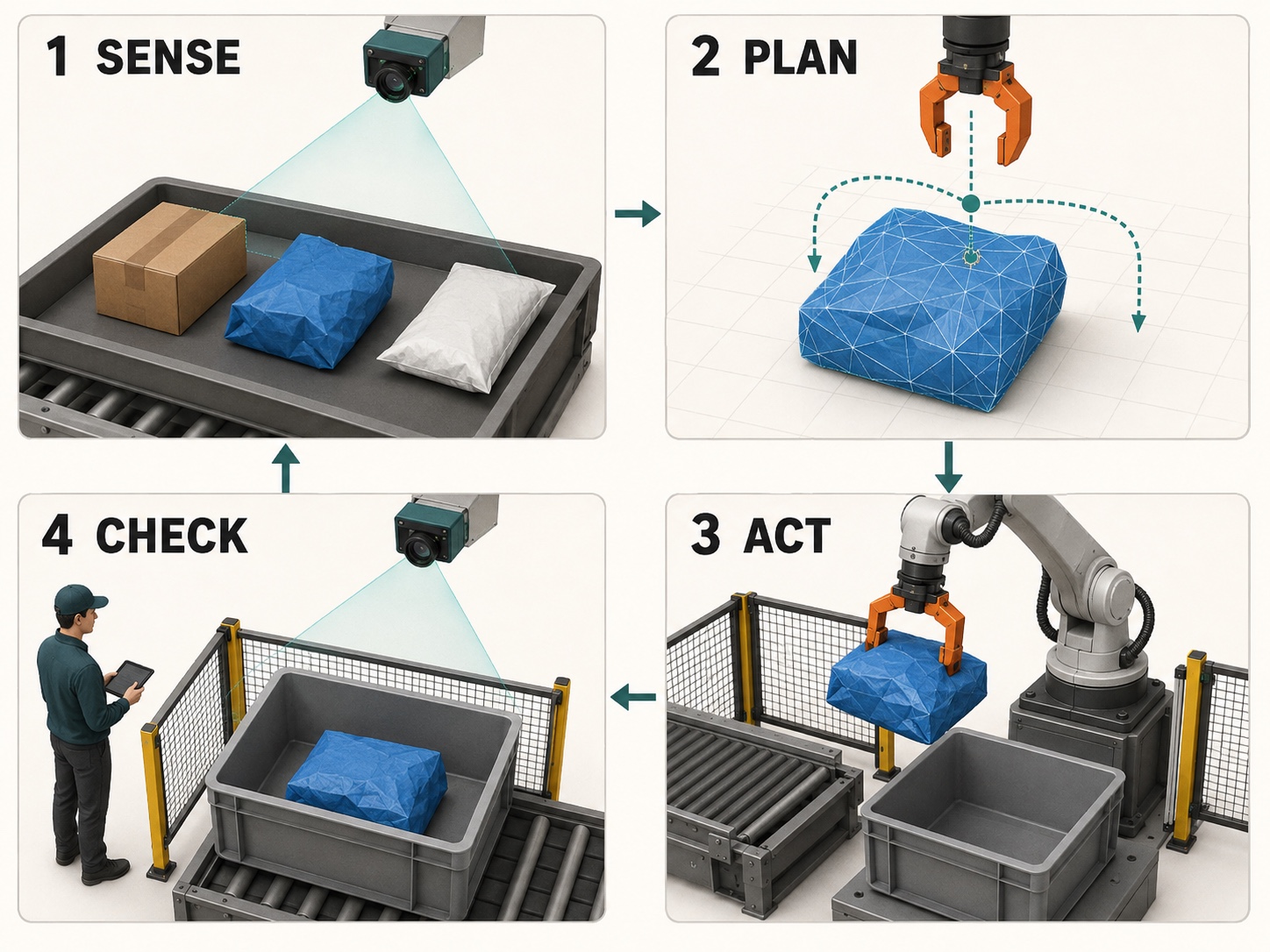
Physical AI connects AI to machines that sense their surroundings and act on them. A packing robot, for example, recognizes a changed parcel, adjusts its grip, moves it, and checks placement. A humanoid is one possible body; wheels, arms, and specialized devices often fit the task better. Broader definitions also include vehicles and intelligent infrastructure. Deloitte’s overview .
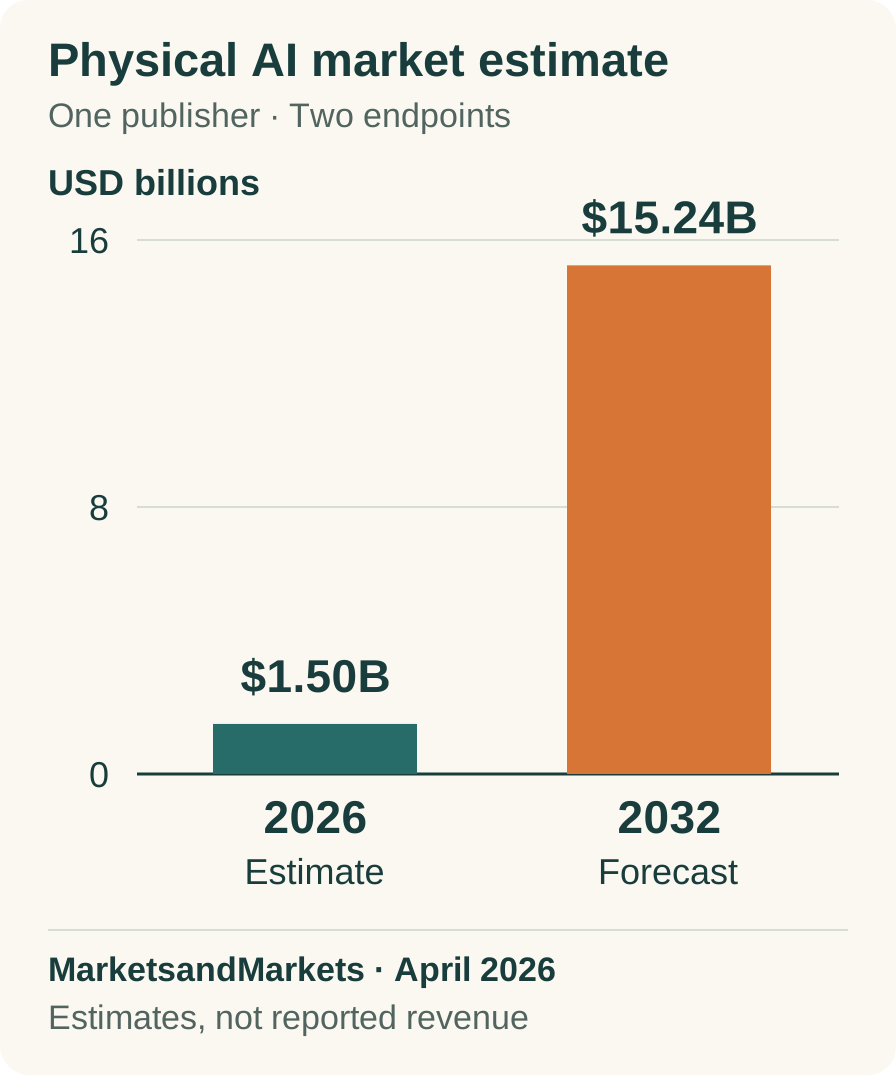
Market valuation estimate: how large could it become?
Here, market value means estimated market revenue, not startup equity valuations. MarketsandMarkets estimates $1.50 billion in 2026 and forecasts $15.24 billion in 2032, with a stated 47.2% annual compound growth rate. These are one publisher’s estimates for its defined physical AI category, not observed sales totals. April 2026 report , April 3 publisher announcement .
Other widely cited estimates answer different questions:
| Publisher and publication | Estimate | Scope |
|---|---|---|
| PwC, June 2026 | About $450B by 2030 | Defined core physical AI market |
| Goldman Sachs, February 2024 | $38B by 2035 | Humanoid robot addressable market |
| Morgan Stanley, May 2025 | About $5T by 2050 | Long-horizon humanoid scenario |
Do not combine these into one growth curve or add them together. Their definitions, horizons, and assumptions differ. A business plan should estimate reachable customers and task-level spending within its chosen segment.
For observed demand, IFR reports 542,000 industrial robot installations in 2024 and 4.664 million robots in use. Its June 2026 presentation puts preliminary 2025 installations at 621,000, up 15%; final results were scheduled for September 24. These include conventional robots and are not a physical AI census. Finalized IFR statistics , preliminary update, slides 4–5 .
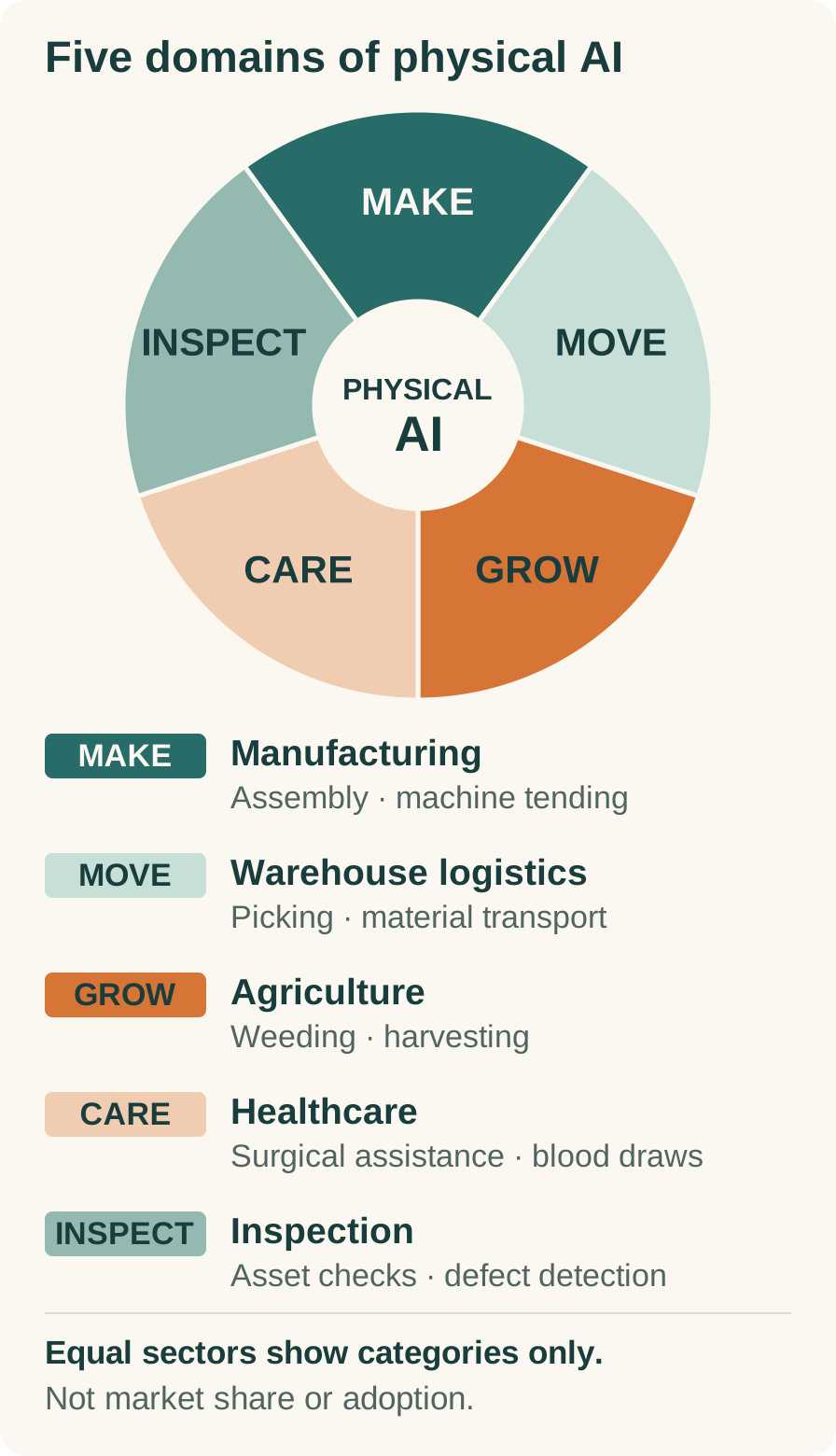
The use-case circle: five domains, five business purposes
The circle groups applications by their main purpose. Equal segments show categories, not market share, adoption rates, or equal commercial maturity. Some companies span several domains; each appears once under the workflow discussed here. This is a selected business map, not an exhaustive taxonomy of physical AI.
25 promising startups, grouped by use case
“Promising” means a relevant product plus public evidence of technical progress, customer activity, or clinical development. This is an editorial shortlist, not a ranking or investment recommendation. Evidence ranges from trials to operating deployments; the labels make that distinction visible.
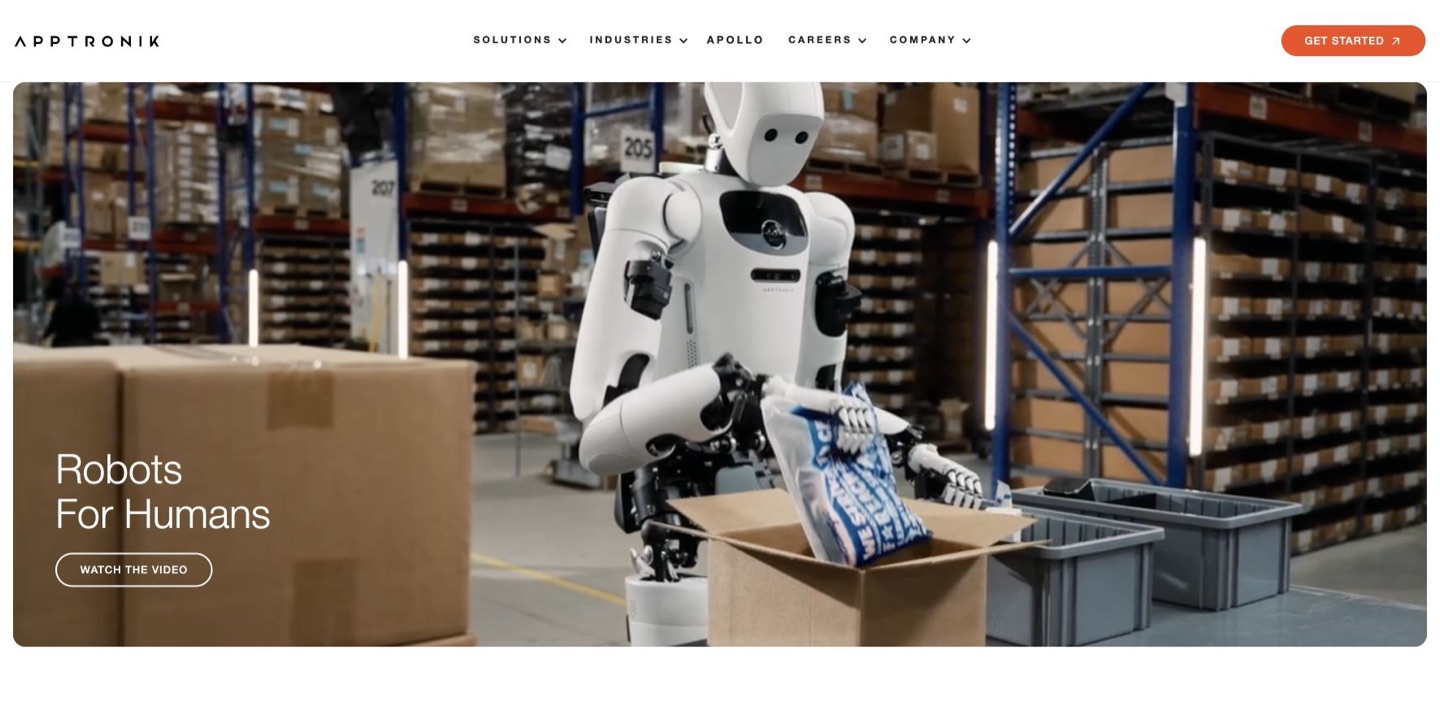
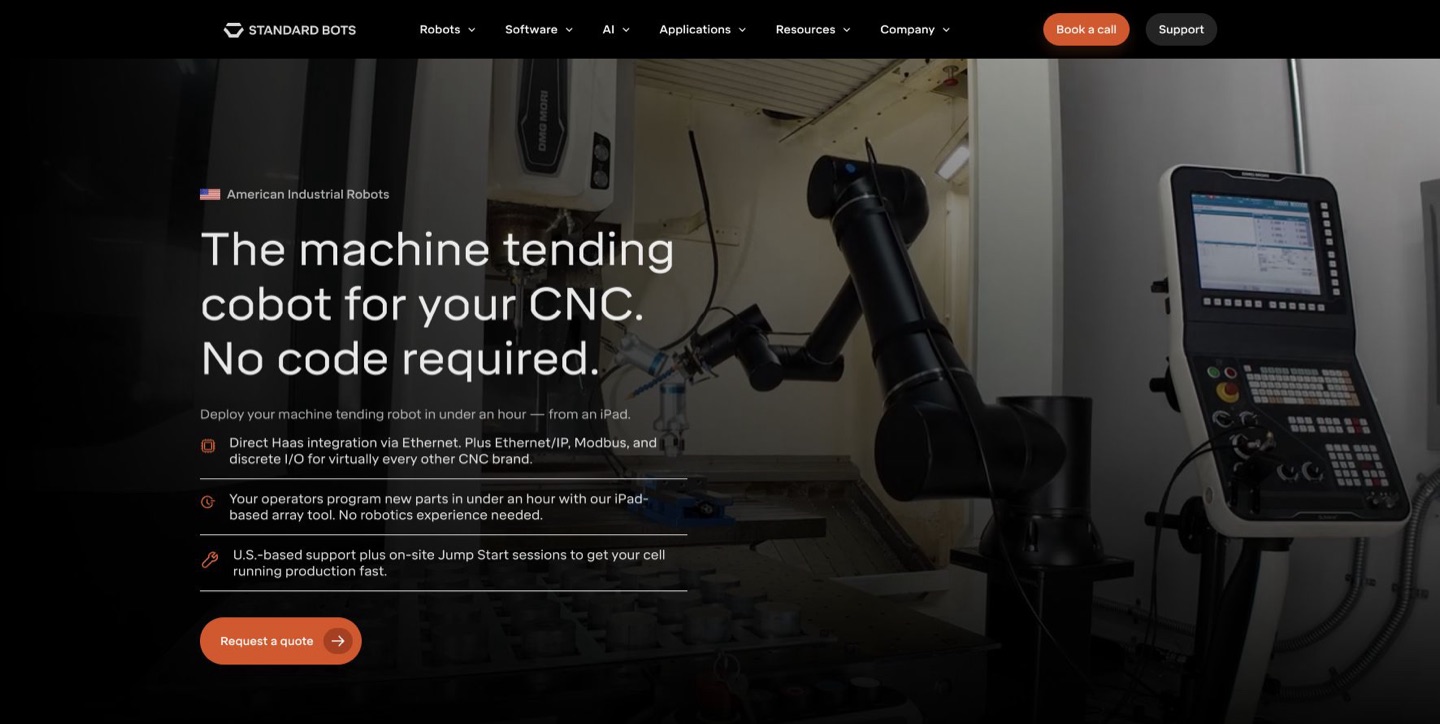
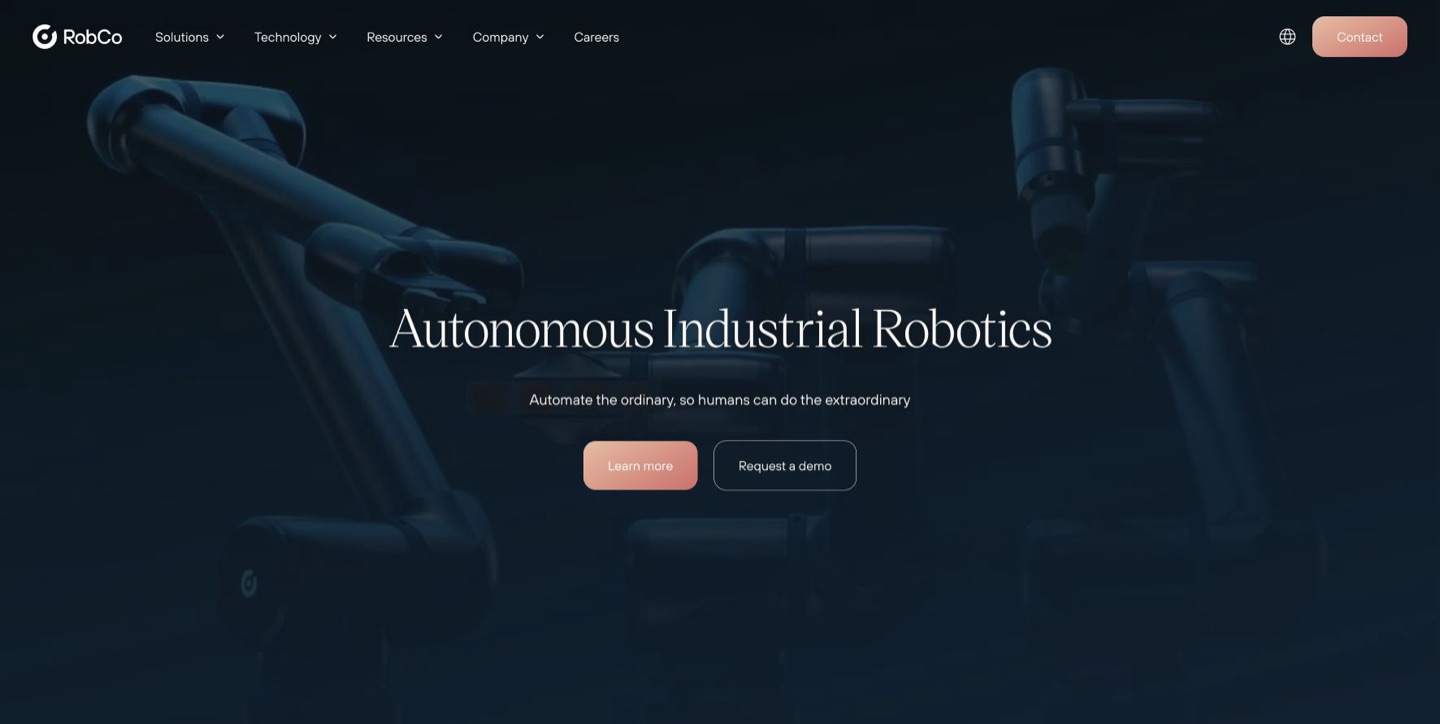
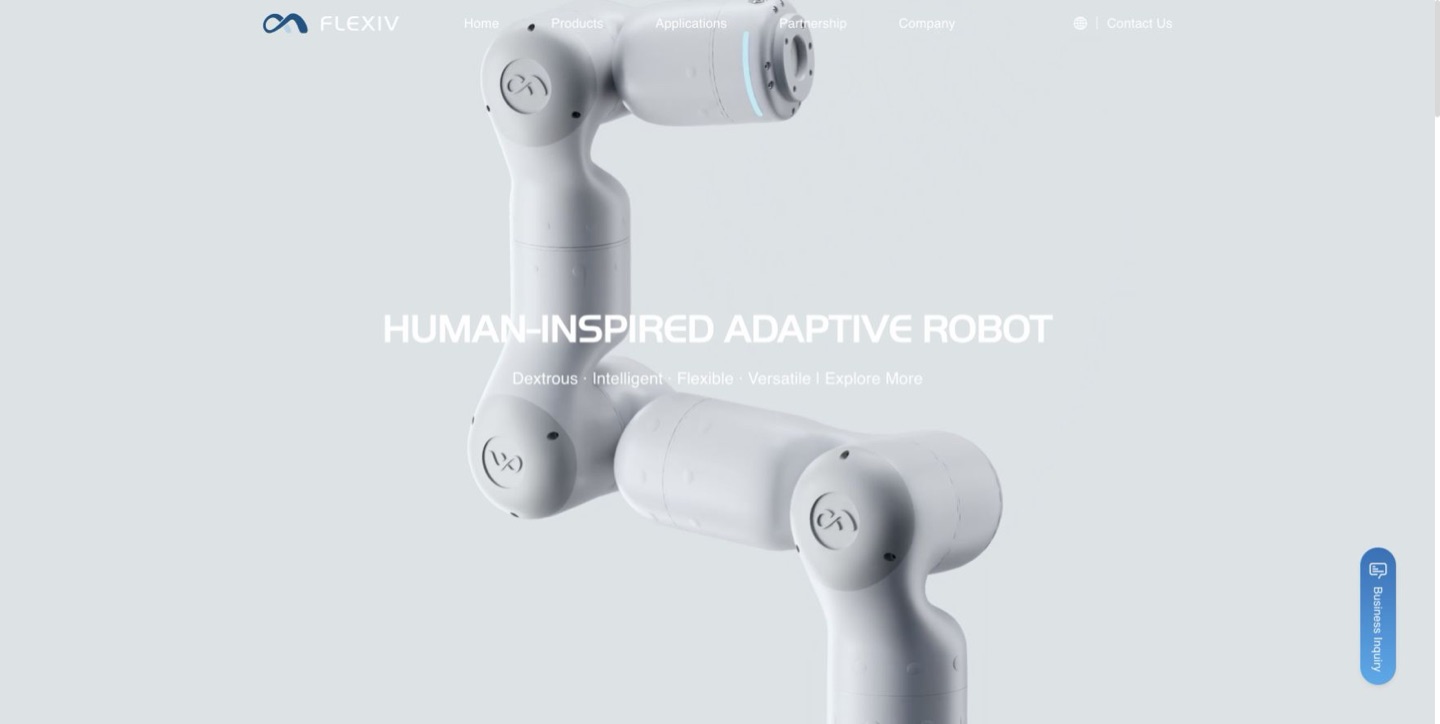
Every image is an actual company-website screenshot captured on September 6, 2026. Click to enlarge; source links identify the page. Website imagery and claims belong to the respective companies and do not establish independently verified performance.
Manufacturing: make and assemble
Purpose: improve handling, machine tending, and assembly when parts or positions vary. Adaptation: grippers, fixtures, machine interfaces, force limits, and product changeovers. Measure accepted parts per scheduled hour and rework.
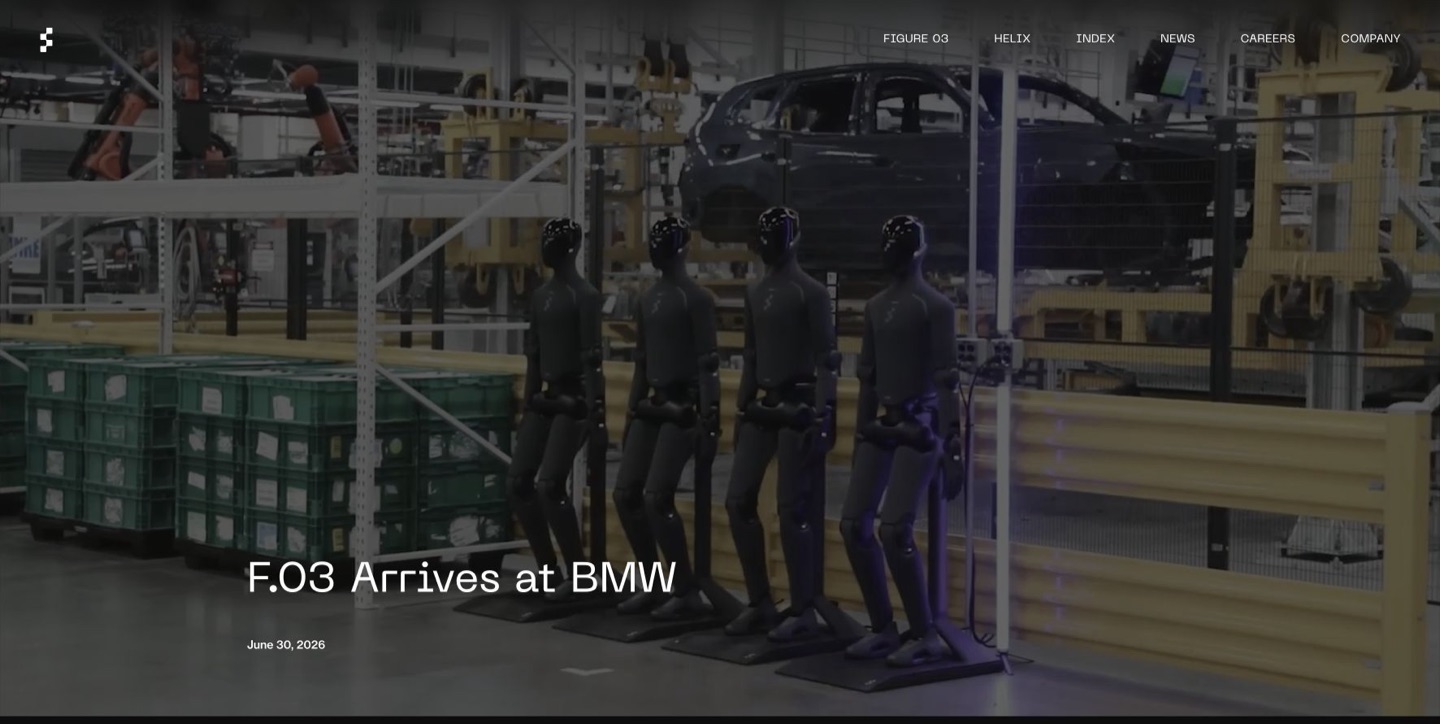
Factory pilot
Figure
Humanoids for variable factory work. BMW provides a named industrial test site; Figure 03’s component-sequencing project follows the earlier Figure 02 pilot. Production economics remain undisclosed.
Industrial pilots
Apptronik
Apollo targets kitting, material handling, and fixture placement. Jabil’s collaboration combines robot manufacturing with factory pilots, offering a route to test humanoids within existing production processes.
Commercial offering
Standard Bots
Industrial arms for machine tending, welding, and handling. Its no-code setup and onsite pilot program make it worth evaluating for smaller manufacturers; confirm the AI capability required by your application.
Named customers
RobCo
Modular robots, software, and integration through a service model. Named industrial customers support its handling and machine-tending proposition; buyers should compare service fees and application-specific performance.
Application examples
Flexiv
Force-controlled adaptive arms address contact-intensive work, including connector insertion and battery-pack assembly. Its applications illustrate an alternative to position-only automation; published examples are vendor-reported.
Warehouse logistics: move and fulfill
Purpose: unload trailers, sort packages, move totes, and coordinate storage. Adaptation: package mix, conveyors, warehouse software, traffic, and exception handling. Measure accepted cases per hour, assistance time, and cost per case.
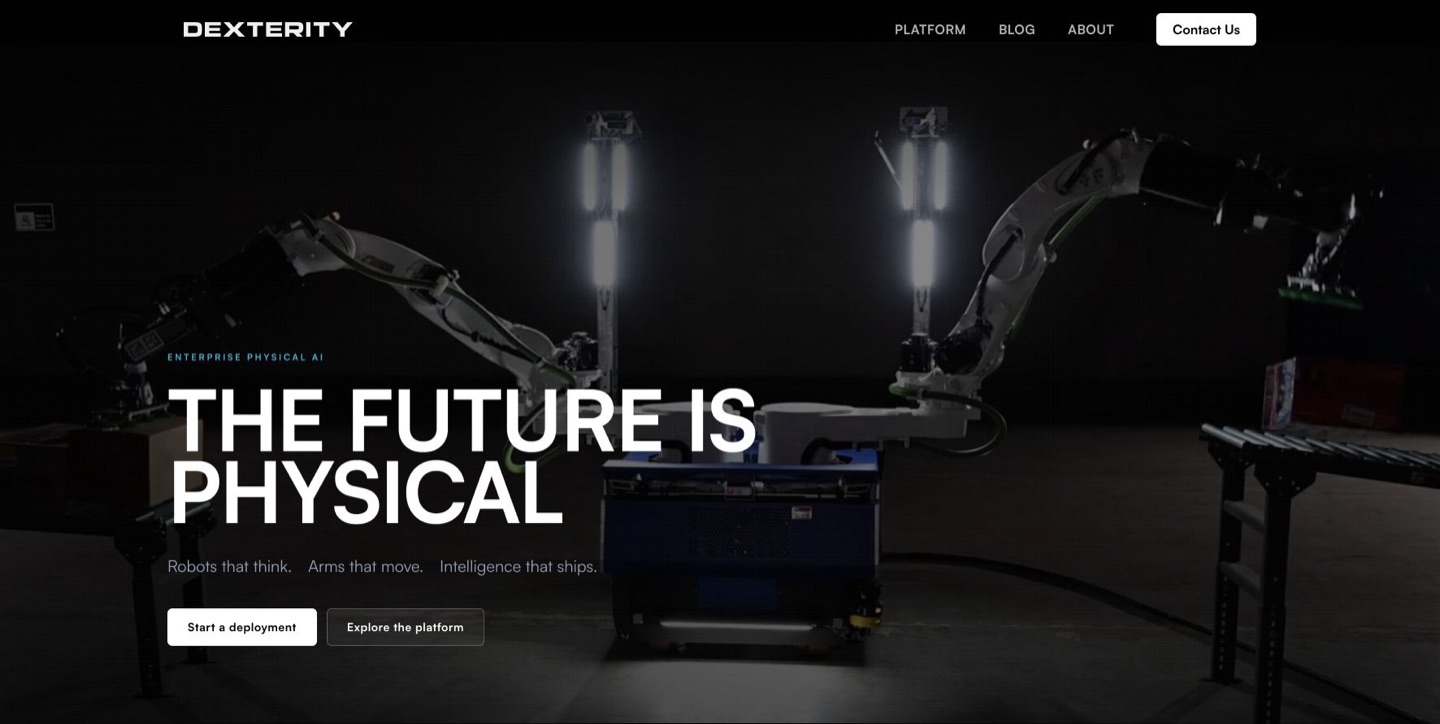
Production reported
Dexterity
AI-guided robots load, unload, and handle changing parcels. Named logistics customers and reported production use make it worth tracking; compare accepted throughput across your actual package mix.
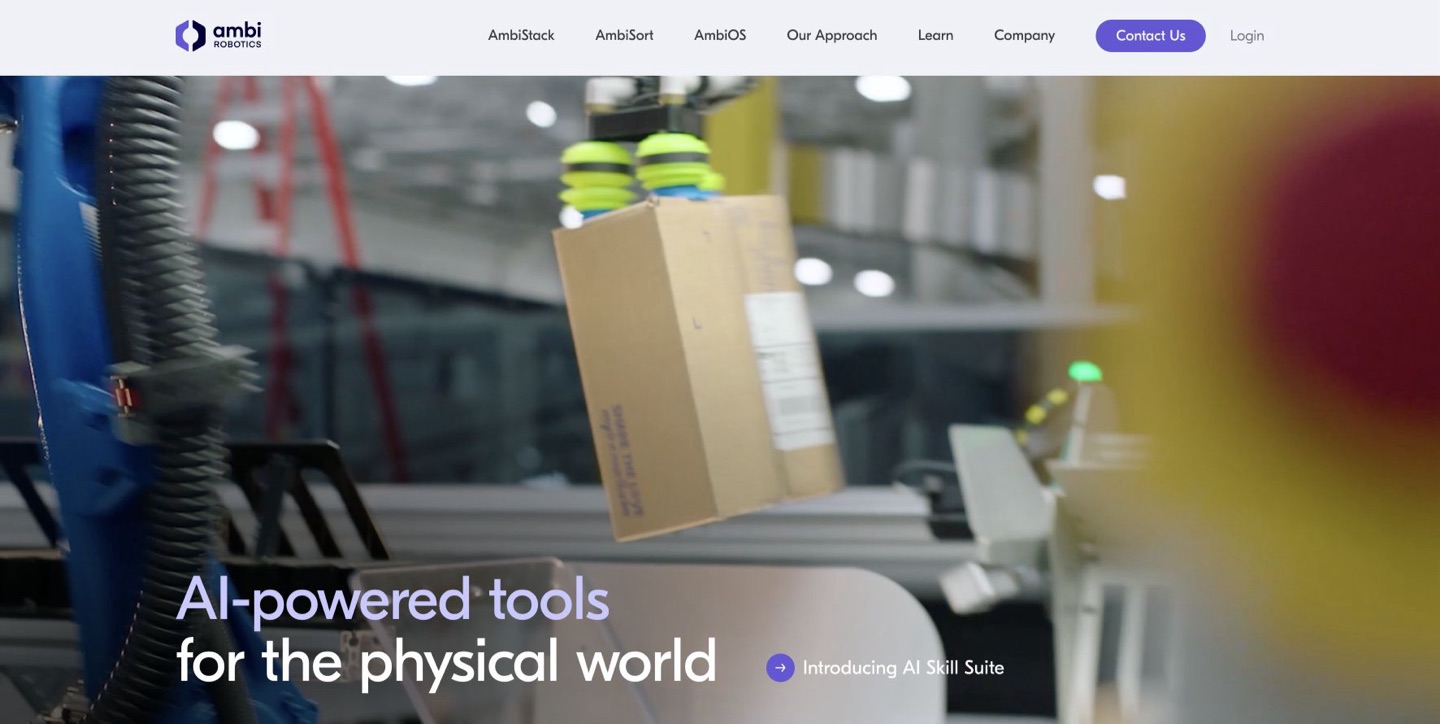
Commercial integration
Ambi Robotics
Learned perception and manipulation power parcel sorting and stacking. Its June 2026 integration with Pickle connects unloading to pallet building; customer identity and operating economics were not disclosed.
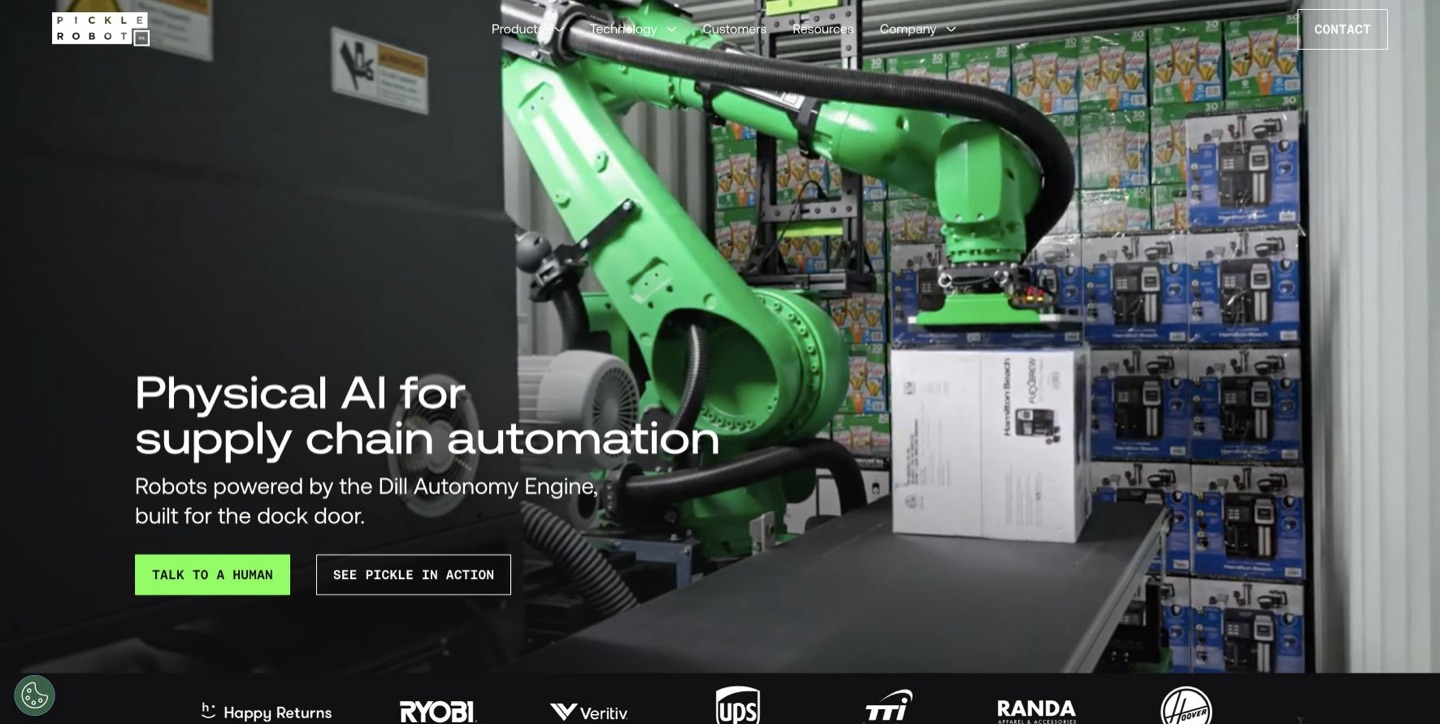
Named customer use
Pickle Robot
Robots unload loose cases from trailers and containers. UPS is a named user; package variation, human exception handling, and downstream capacity still determine each installation’s useful throughput.
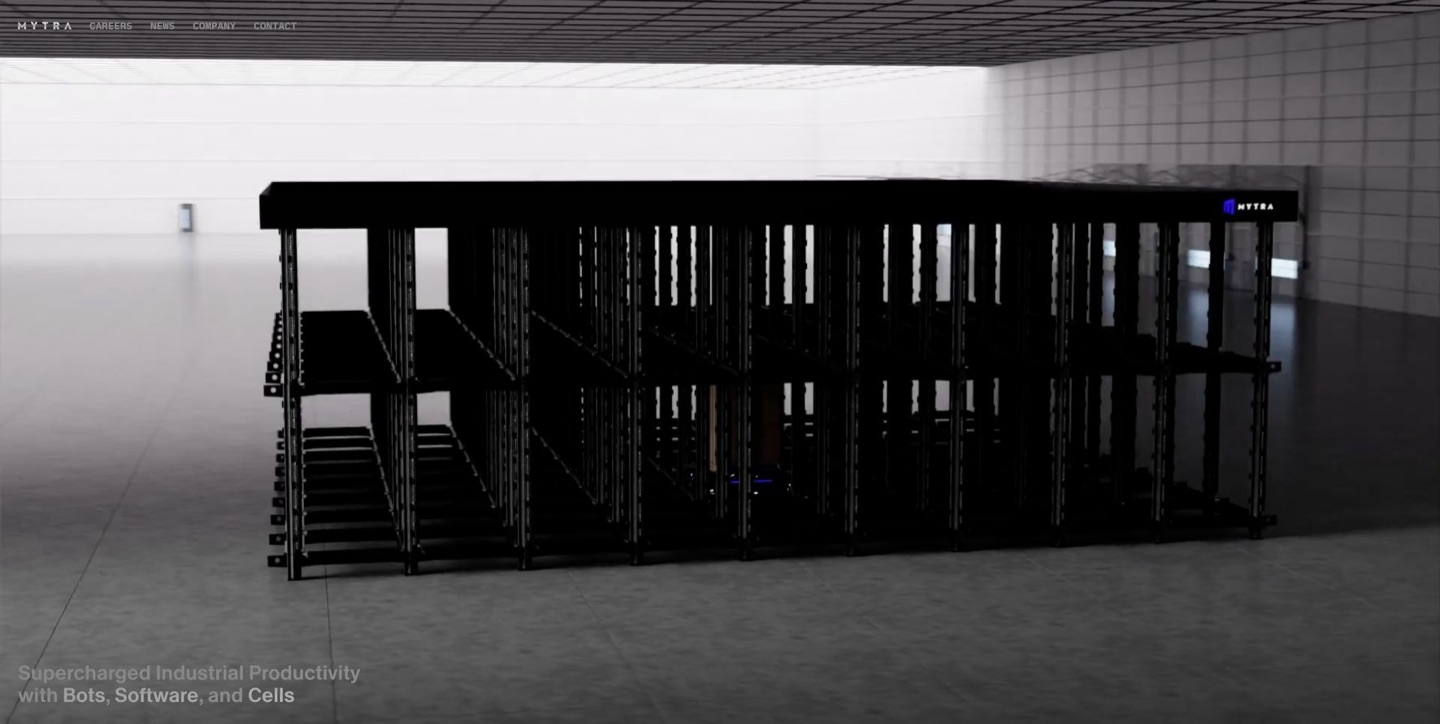
Early production
Mytra
Mobile bots, modular storage cells, and adaptive routing move materials through engineered storage. Reported pilot and production sites support the approach; contracted expansion should remain separate from live capacity.
Commercial workflow
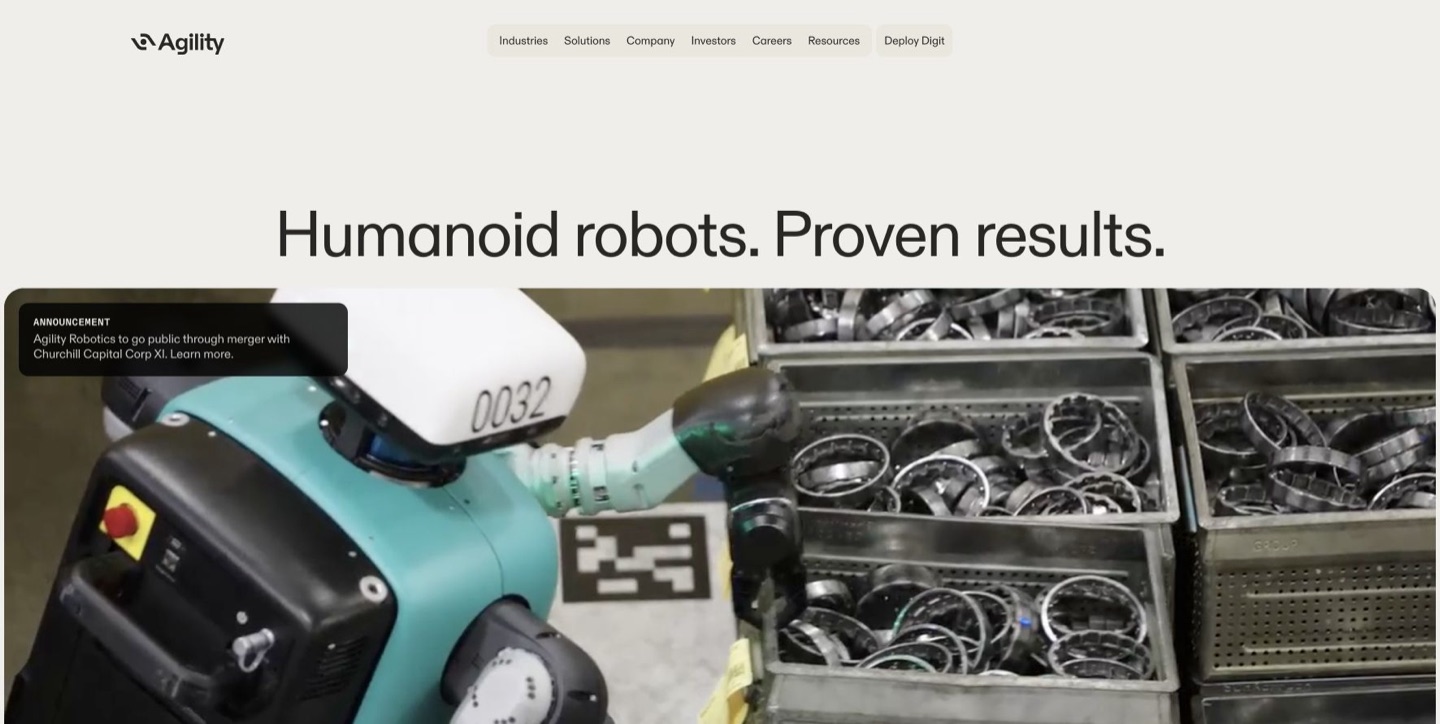
Agility Robotics
Digit transfers totes between mobile robots and conveyors. Agility reports over 100,000 totes moved at GXO, providing a commercial reference for a bounded humanoid workflow.
Agility’s June 2026 proposed public-listing transaction remained pending in the official materials reviewed.
Agriculture: grow, weed, and harvest
Purpose: reduce repetitive field work and apply treatment precisely. Adaptation: crop type, terrain, weather, season length, and farm equipment. Measure hectares or accepted harvest per hour, crop damage, and whole-season costs.
Commercial equipment
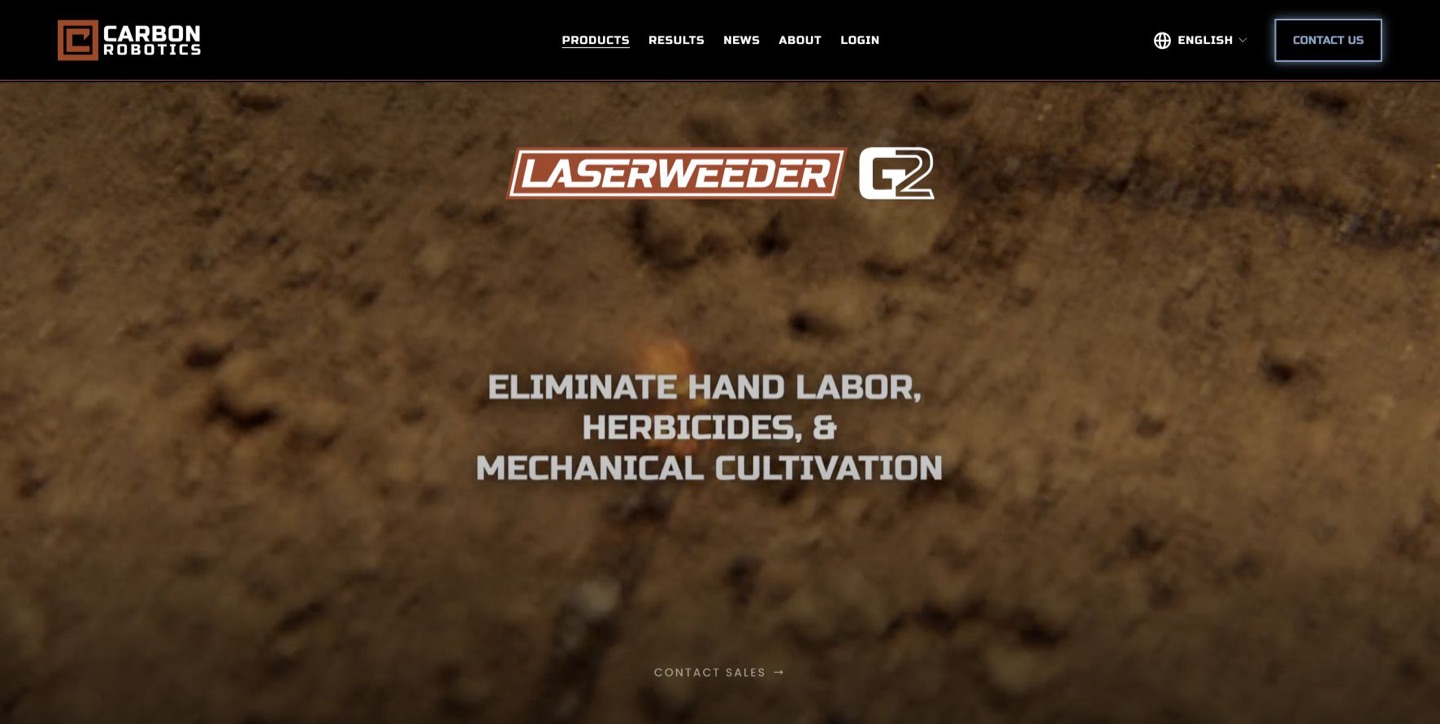
Carbon Robotics
Machine vision identifies weeds for laser removal. LaserWeeder G2 offers a concrete crop-management business case; compare weed control, crop compatibility, field speed, and seasonal utilization on the target farm.
Deployed fleet
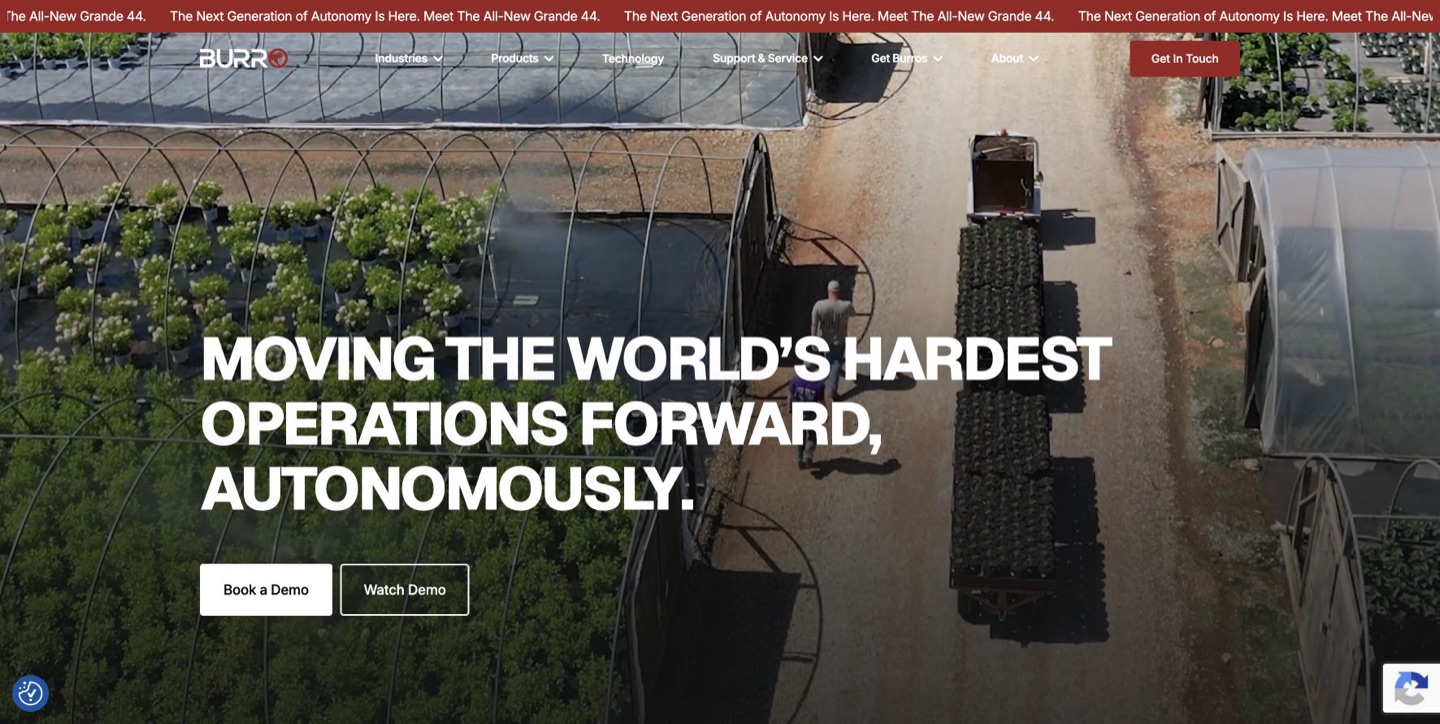
Burro
Autonomous carriers move crops and tow loads across farms and nurseries. Its established fleet provides operating evidence; the newer Grande 44’s announced delivery schedule should not be treated as completed rollout.
Named farm evaluation
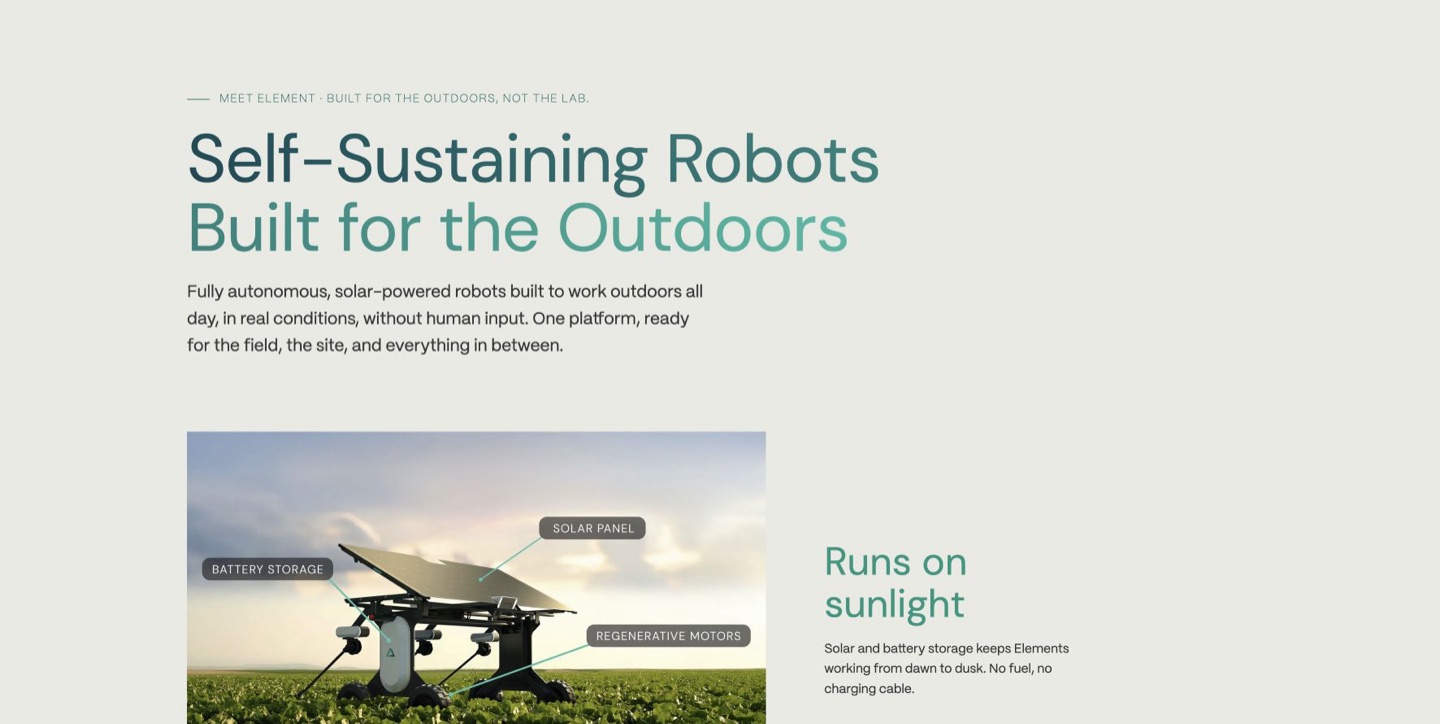
Aigen
Solar-powered Element robots identify and mechanically remove weeds. Bowles Farming’s cotton-field evaluation provides a named reference; wider availability and performance need confirmation for each crop and field.
Early commercial use
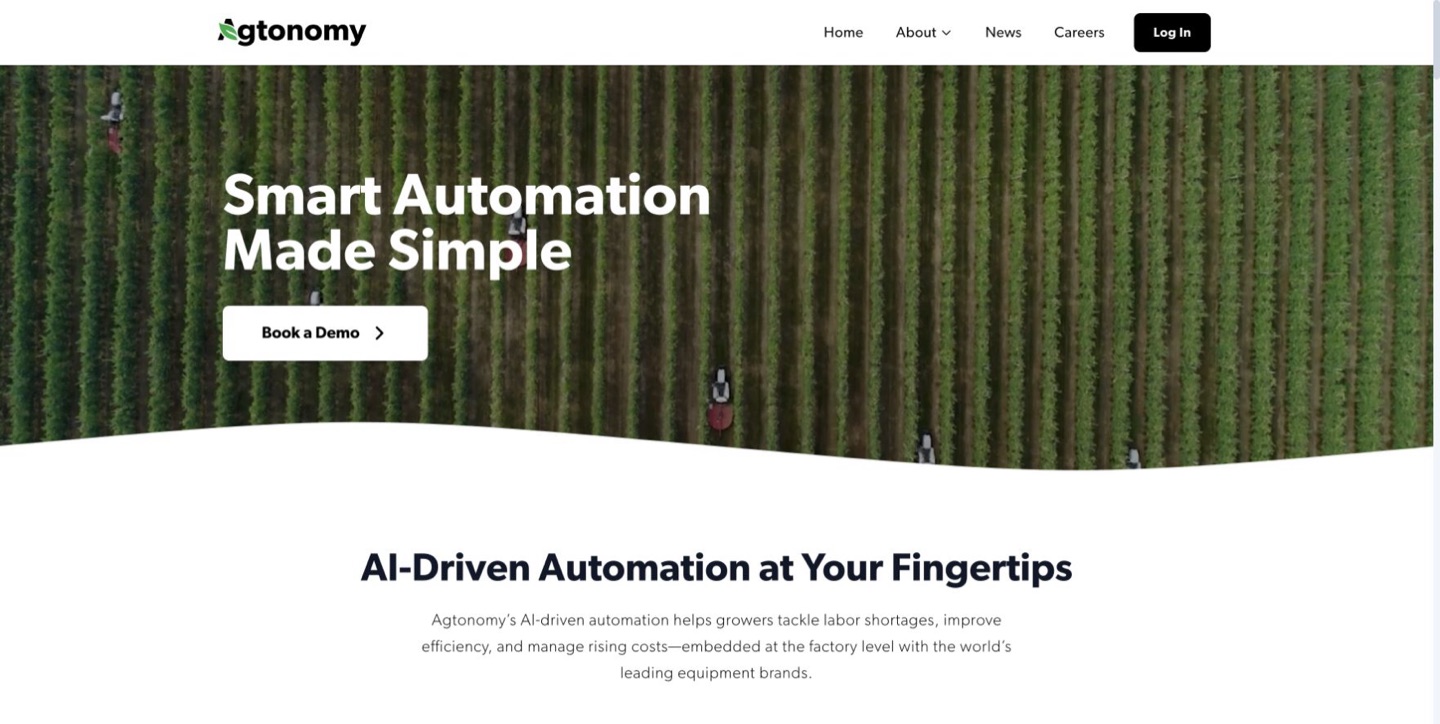
Agtonomy
Adds autonomy to established equipment for mowing, spraying, and hauling. Kubota confirms early commercial deployments, making equipment compatibility, dealer support, and local operating conditions the practical buying questions.
Named orchard partners
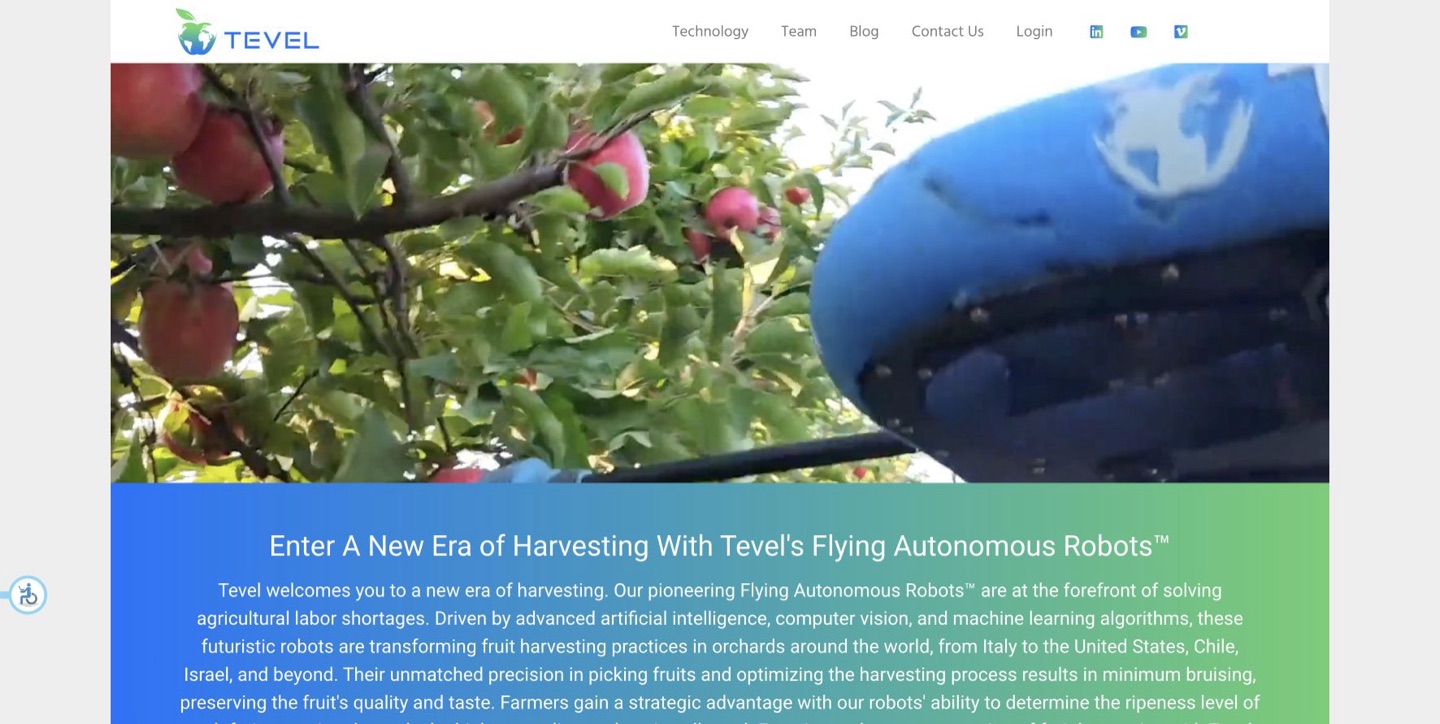
Tevel
Flying fruit-picking robots work with a ground platform and harvest data. Named orchard partnerships provide field evidence; crop suitability, fruit quality, seasonal capacity, and service coverage govern adoption.
Healthcare: assist procedures and routine collection
Purpose: improve positioning, visualization, and repeatability in defined clinical tasks. Adaptation: intended use, regulatory authorization, staff training, and clinical workflow. Supervised automation and surgeon-controlled assistance are distinct operating models.

FDA-cleared / early commercialization
Mendaera
Focalist combines handheld robotics, ultrasound, and guidance software for needle placement. The clinician controls insertion; its appeal is assistance within existing procedures, rather than autonomous treatment.
US / EU offering
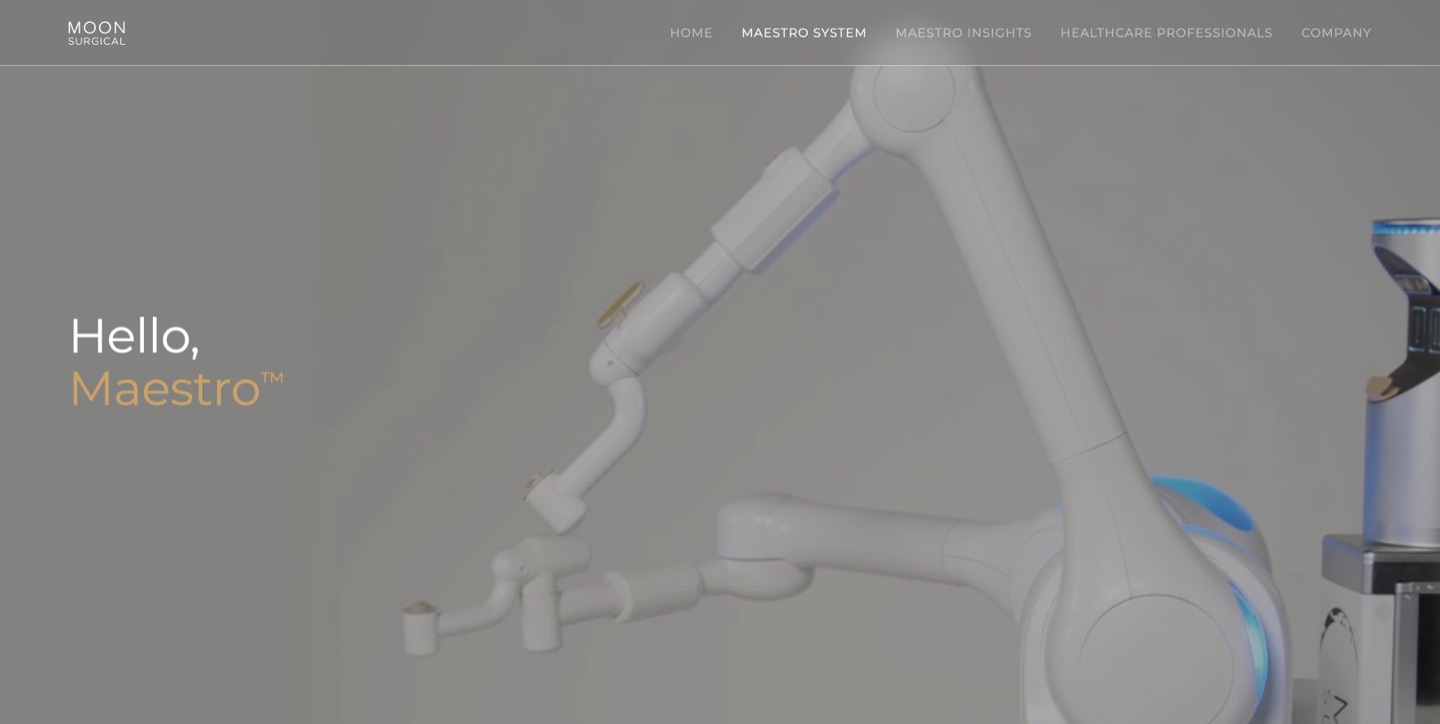
Moon Surgical
Maestro supports laparoscopic instruments while ScoPilot adds AI-assisted camera control. The platform is offered in the US and EU; surgeons remain responsible for the procedure.
Physician-operated system
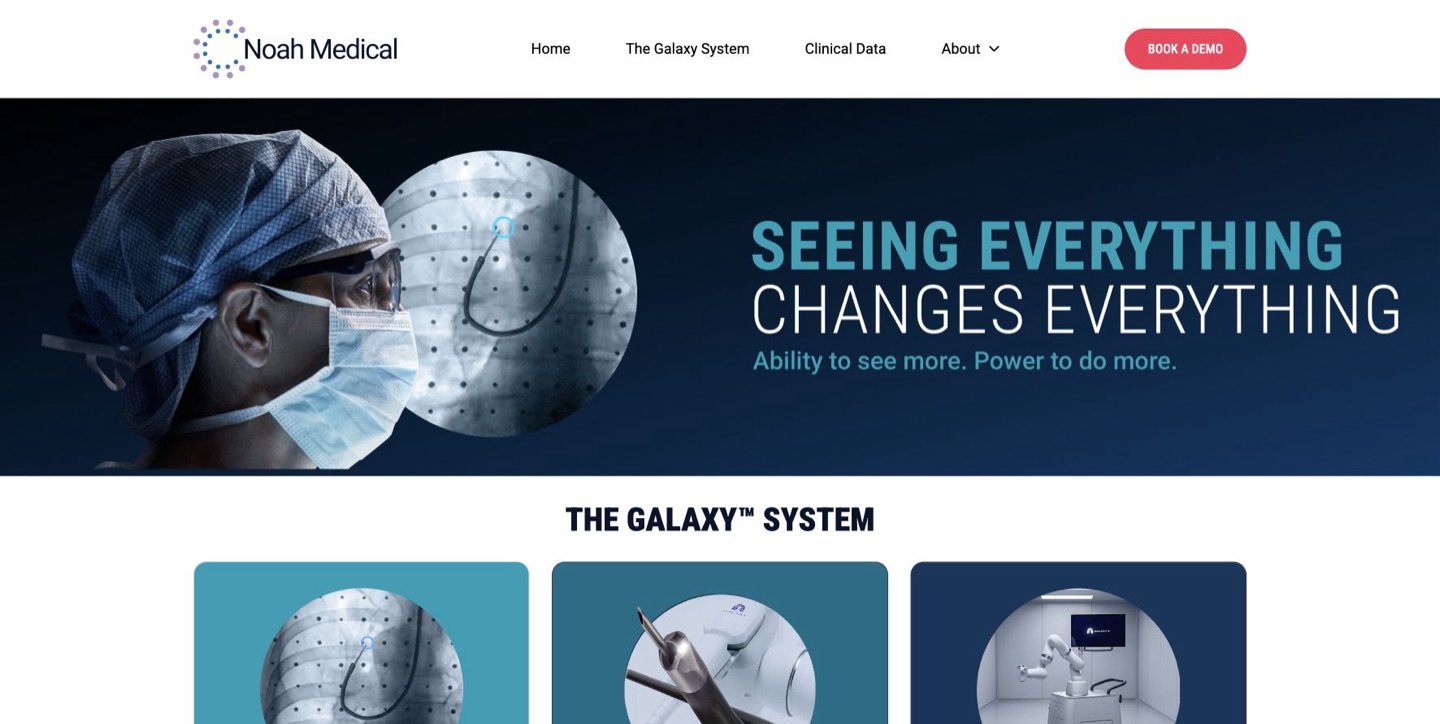
Noah Medical
Galaxy combines robotic bronchoscopy with imaging and tool localization to help physicians biopsy lung lesions. It illustrates image-guided clinical robotics, not autonomous diagnosis; evaluate device-specific evidence and requirements.
Also review the FDA’s April 2025 quality-system and reporting warning. No linked closeout was found in this review. FDA letter.
FDA De Novo: Aug 2026
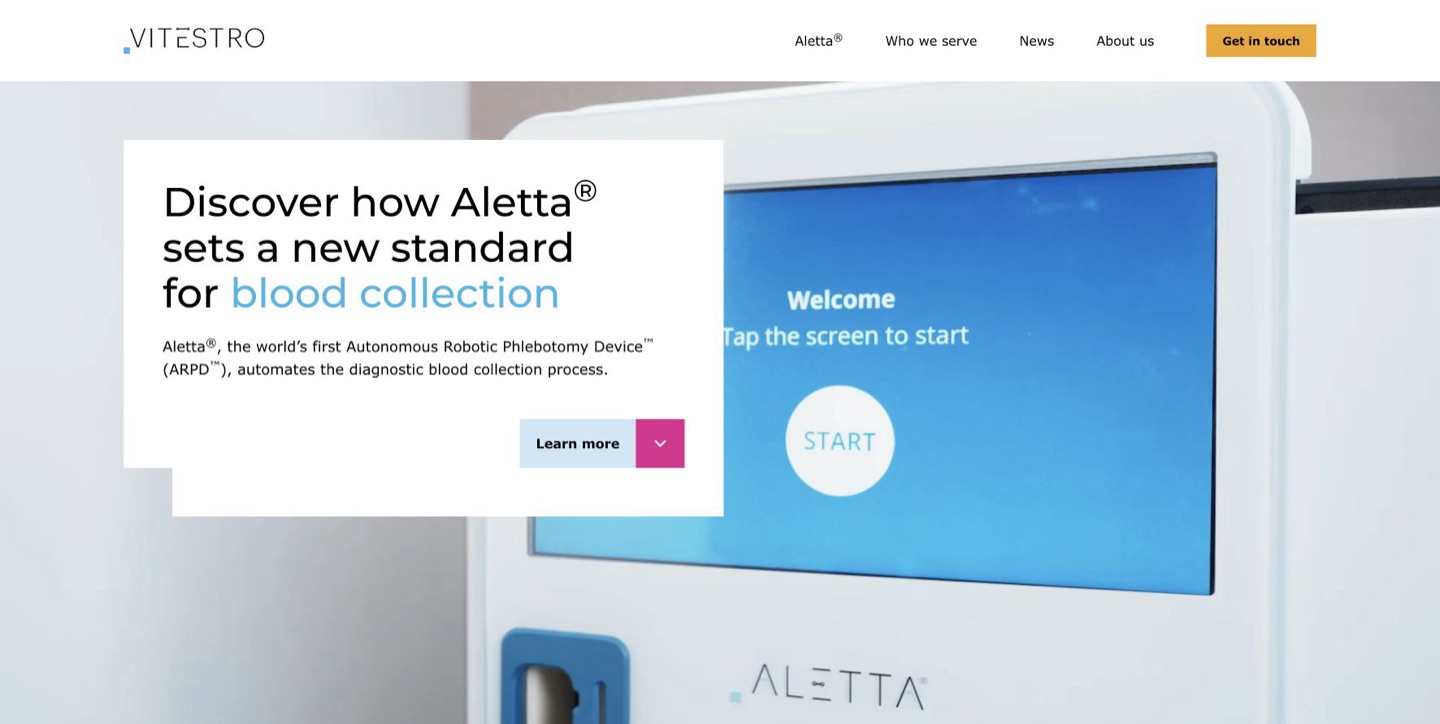
Vitestro
Aletta automates diagnostic blood collection using imaging, AI, and robotics. FDA De Novo authorization arrived in August 2026 for adult outpatient use under trained supervision; European deployment precedes its planned US commercial launch.
Clinical development
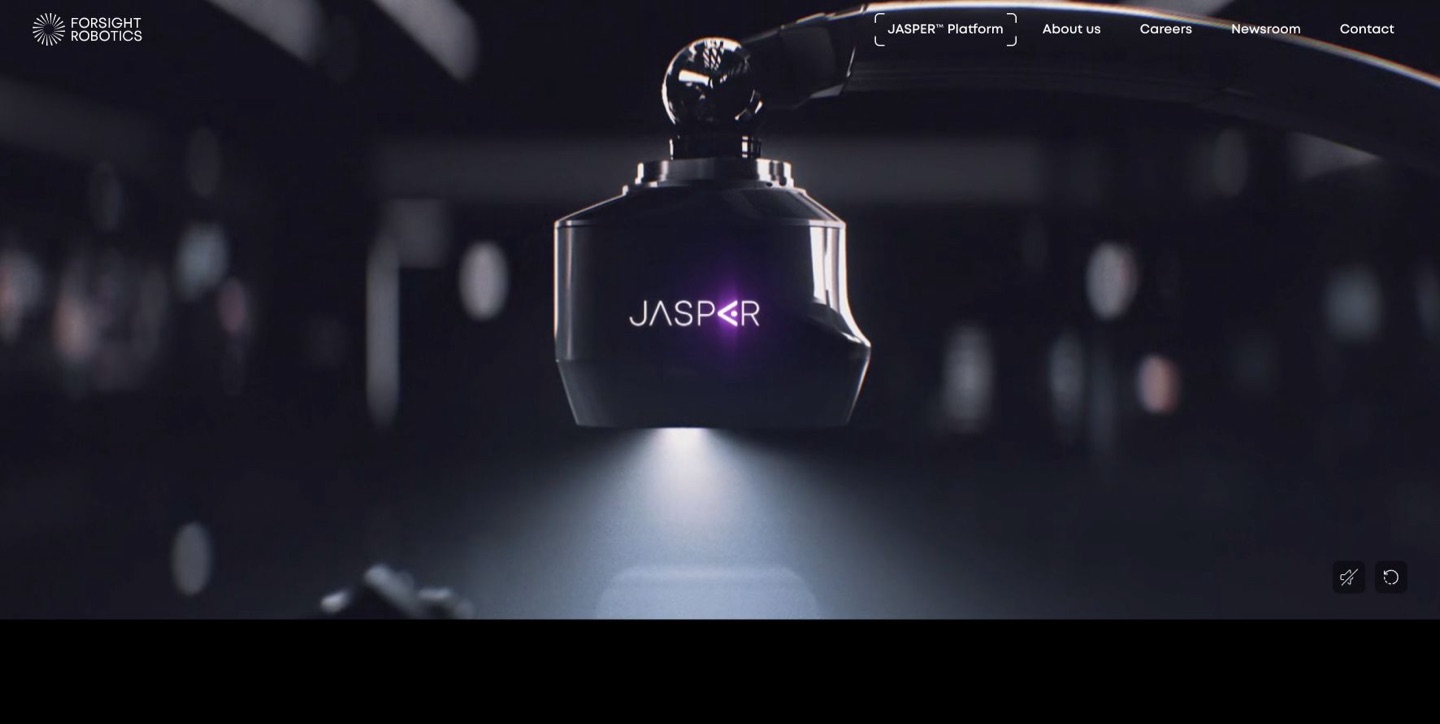
ForSight Robotics
JASPER targets surgeon-controlled cataract surgery. ForSight reported 26 patients in its early clinical experience; the platform remains in development and is not FDA-cleared or commercially available in the US.
Inspection: observe assets and find problems
Purpose: collect repeatable site data and direct human attention to anomalies. Adaptation: terrain, sensors, connectivity, maintenance systems, and operating permissions. Measure coverage, actionable findings, false alarms, and staff time per round.
Named industrial agreement
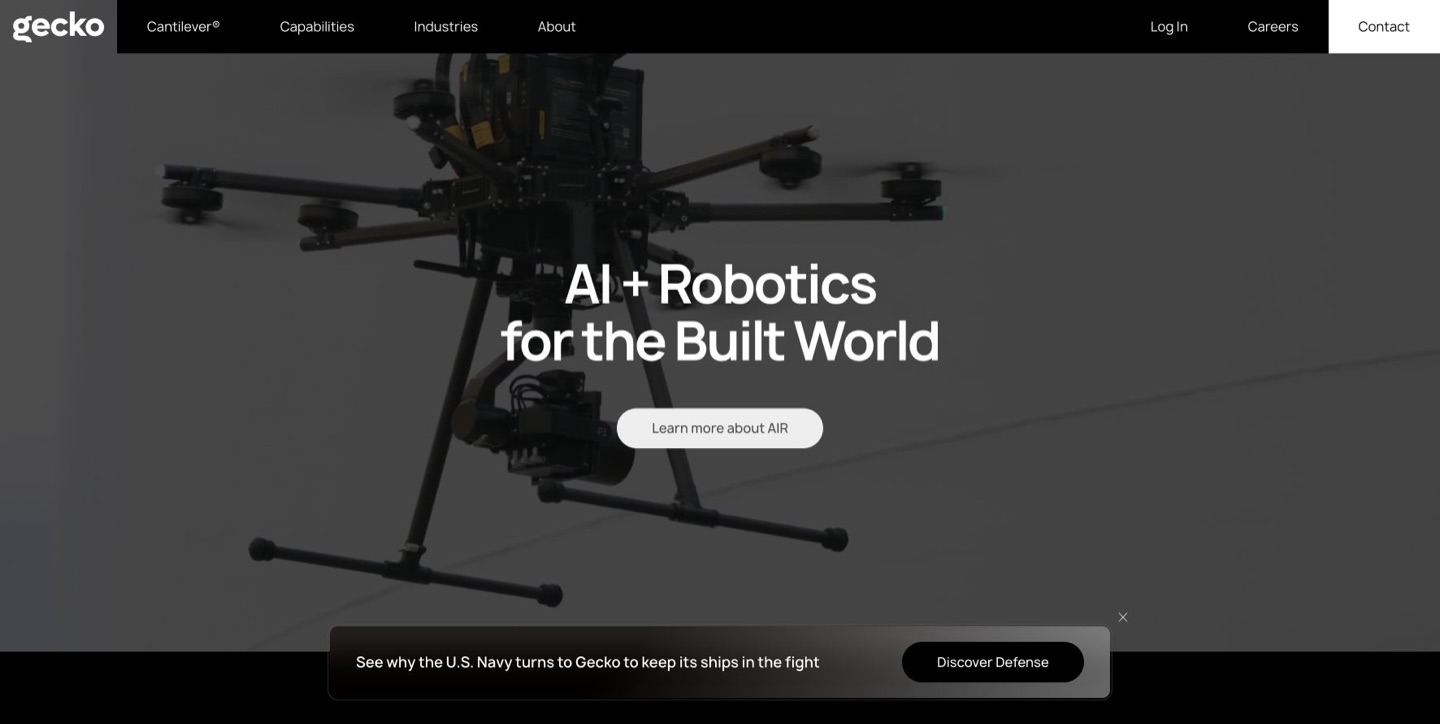
Gecko Robotics
Inspection robots collect asset-condition data for Cantilever analysis. The NAES agreement provides a named commercial reference; the AI value is especially visible in turning measurements into maintenance decisions.
Named operating case
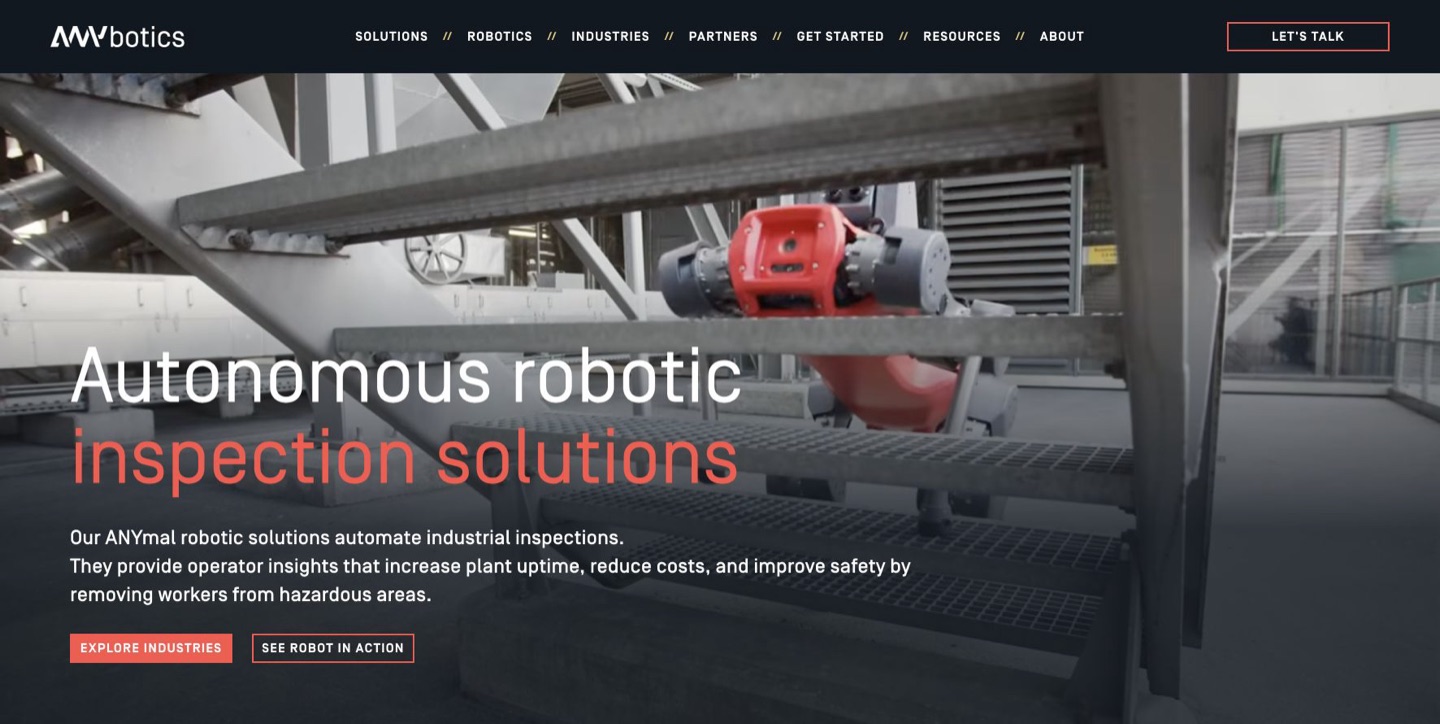
ANYbotics
ANYmal performs recurring inspection rounds using visual, thermal, acoustic, and gas measurements. Vigier Ciment provides a named operating case; verify the robot variant, site conditions, and required certification.
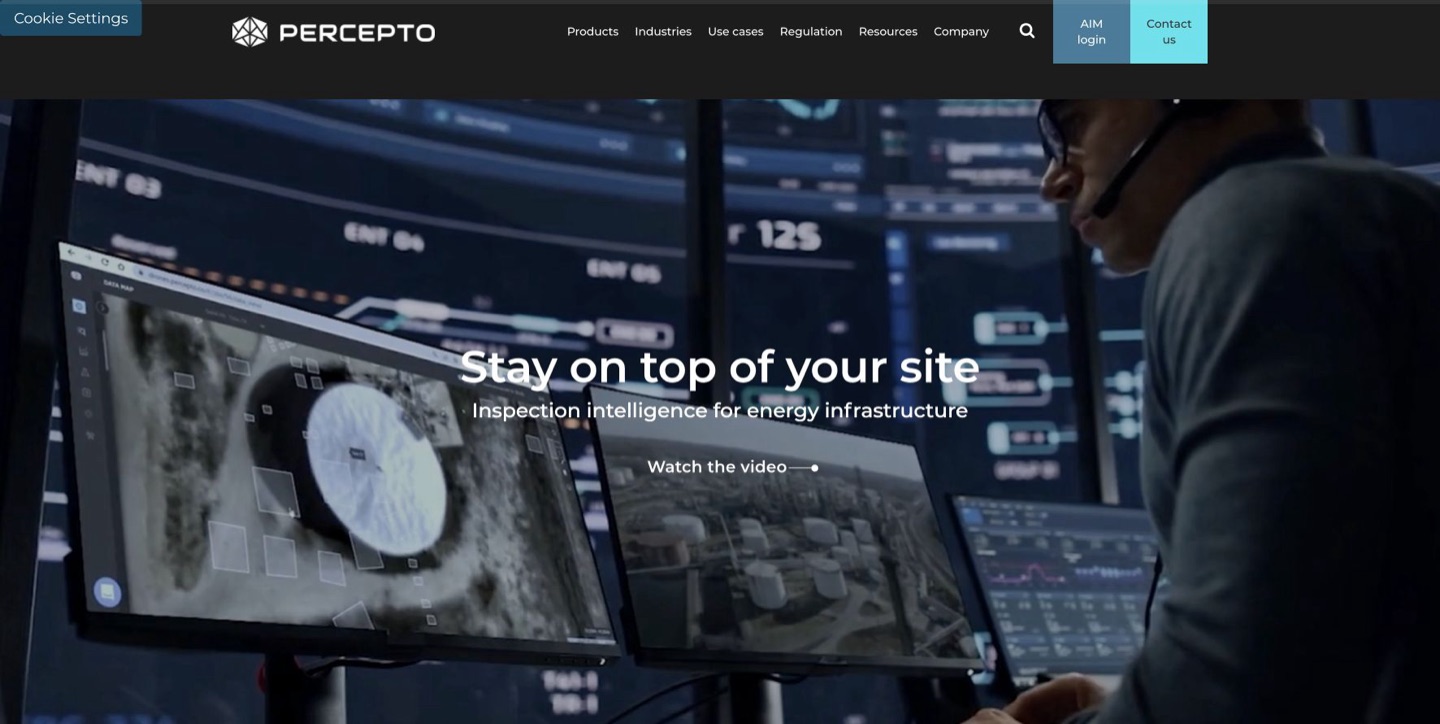
Utility deployment
Percepto
Autonomous drones and AIM software help energy operators detect equipment anomalies across dispersed sites. Utility deployment provides a reference; flight permissions and site conditions define the usable operating scope.
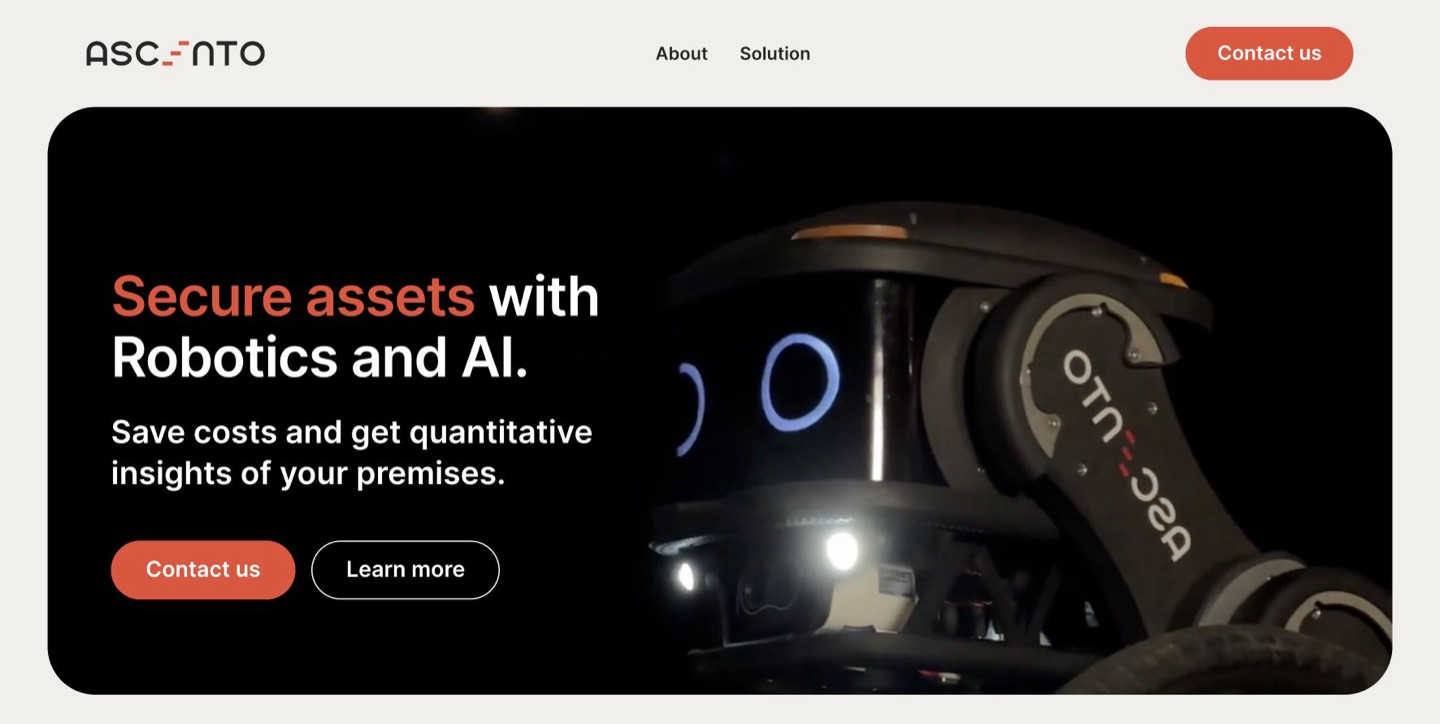
Supported service / trials
Ascento
Wheeled robots monitor outdoor sites, doors, and thermal anomalies through a supported service. Securitas testing provides a named reference; its role is observation and reporting, with human response.
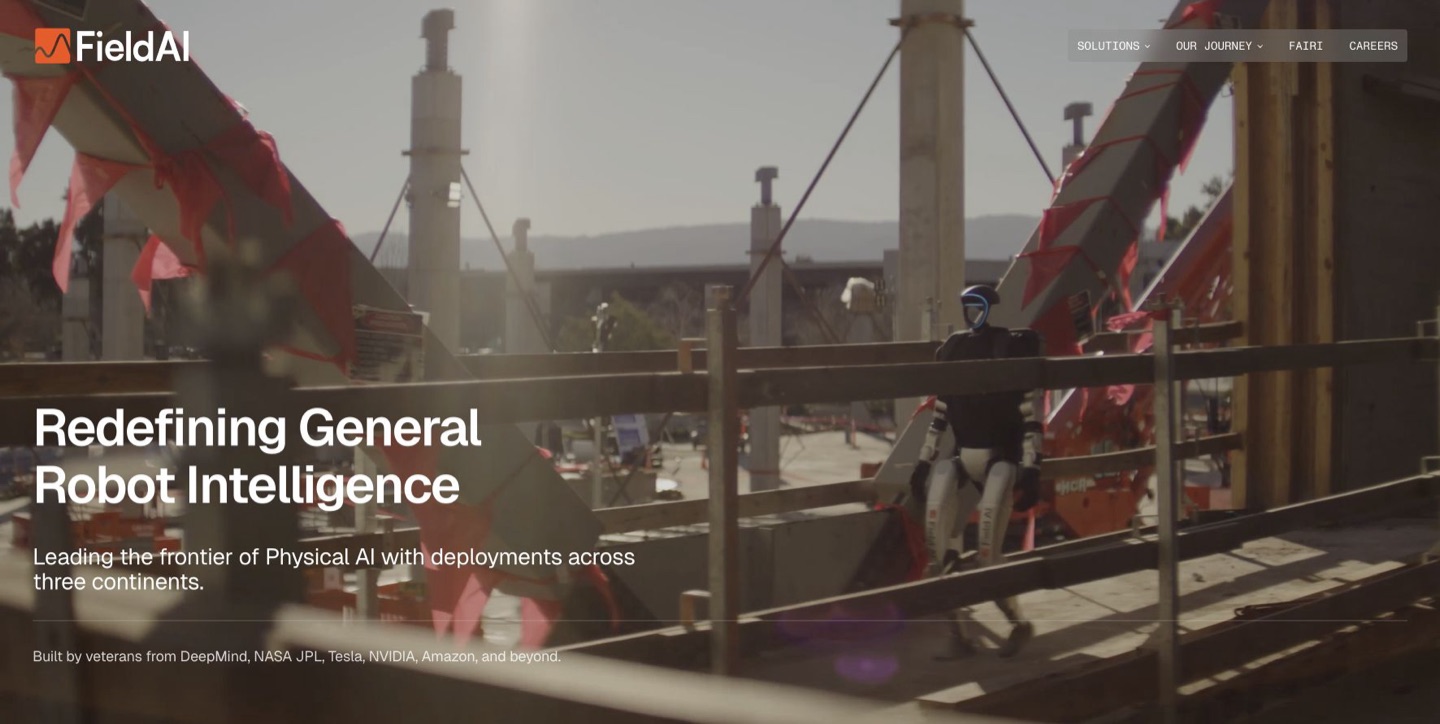
Construction deployments
FieldAI
Autonomy software enables different robot bodies to navigate changing sites and collect data. Big-D describes construction deployments; wider ambitions for material handling should be distinguished from those reported tasks.
Three business trends that matter
Reusable models can lower the starting cost of development. NVIDIA’s GR00T workflow and Google’s Gemini Robotics 2 illustrate progress in adapting perception and control. Both still require customer-specific evaluation; access to a model is not a finished installation. NVIDIA’s development guide , Google’s July 2026 announcement .
Integration and service can be valuable businesses. GXO’s multi-year agreement with Agility illustrates robotics-as-a-service: equipment, coordination, and continuing support around a defined task. The agreement does not disclose price or payback. GXO announcement .
Operating evidence matters more than launches. Amazon’s Blue Jay page was updated in February 2026 to say the system was no longer used in operations. The reason was not established there. For any supplier, track repeat deployments, renewal, assistance requirements, and cost per accepted task. Amazon’s updated announcement .
A quick ROI check before buying
The following example is entirely hypothetical, in US dollars. Assume $180,000 for equipment, integration, and initial training; 4,000 baseline labor hours annually at $35 per hour; and $42,000 in annual software, maintenance, energy, and human assistance.
Productive coverage is the share of baseline work completed to the required quality after downtime and unsupported cases.
| Calculation | 80% coverage | 50% coverage |
|---|---|---|
| Gross annual capacity value | $112,000 | $70,000 |
| Less annual operating cost | $42,000 | $42,000 |
| Annual net benefit | $70,000 | $28,000 |
| Simple payback | 2.6 years | 6.4 years |
Net benefit = baseline hours × coverage × hourly value − operating cost. Payback = installation cost ÷ positive annual net benefit. Under these assumptions, a three-year payback needs about 73% productive coverage.
Released capacity becomes cash savings only when it avoids a real expense. The example holds operating cost constant and excludes financing, tax, depreciation, and residual value; actual assistance costs may rise when performance deteriorates.
Before scaling, record accepted output, human assistance, rework, recovery time, and total cost across representative shifts. Compare conventional automation and process improvements with the proposed AI system. A valuable pilot resolves a purchasing decision.
Research and source notes
Official company websites, customer reports, industry statistics, and analyst publications support the claims. Company results remain attributed, forecasts are estimates, and startup status can change after the cutoff.
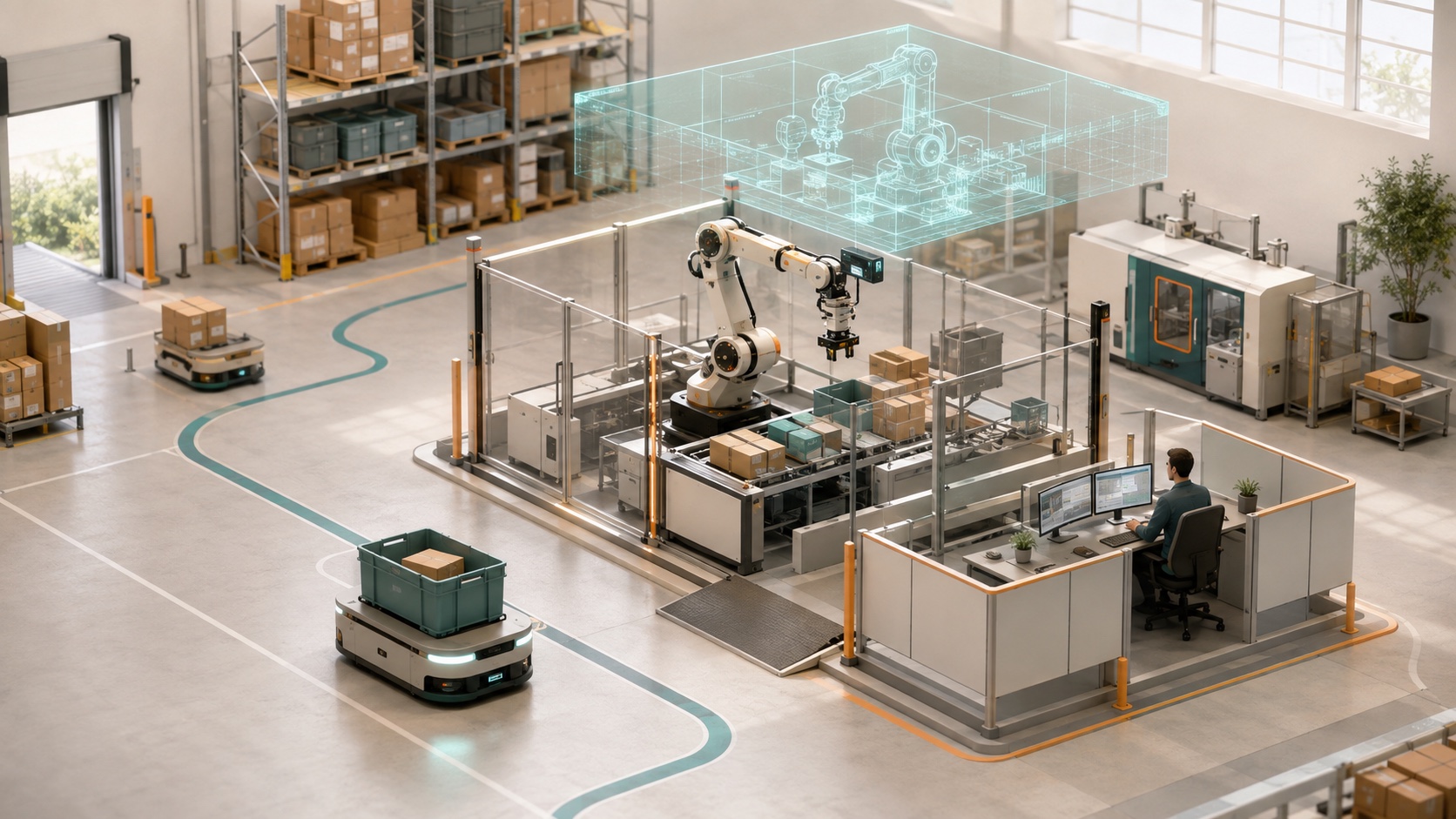
The two concept illustrations are AI-generated. The charts are drawn from explicit data and an editorial taxonomy. Website screenshots document the reviewed pages; they are not original product photography or endorsements.
For teams coordinating suppliers across languages, VoicePing’s AI meeting notes and transcription tools can support project documentation. The robotics examples here are third-party products.