In this article
Learn what a project roadmap is, what it should include, and practical ways to build a realistic roadmap that keeps stakeholders aligned.
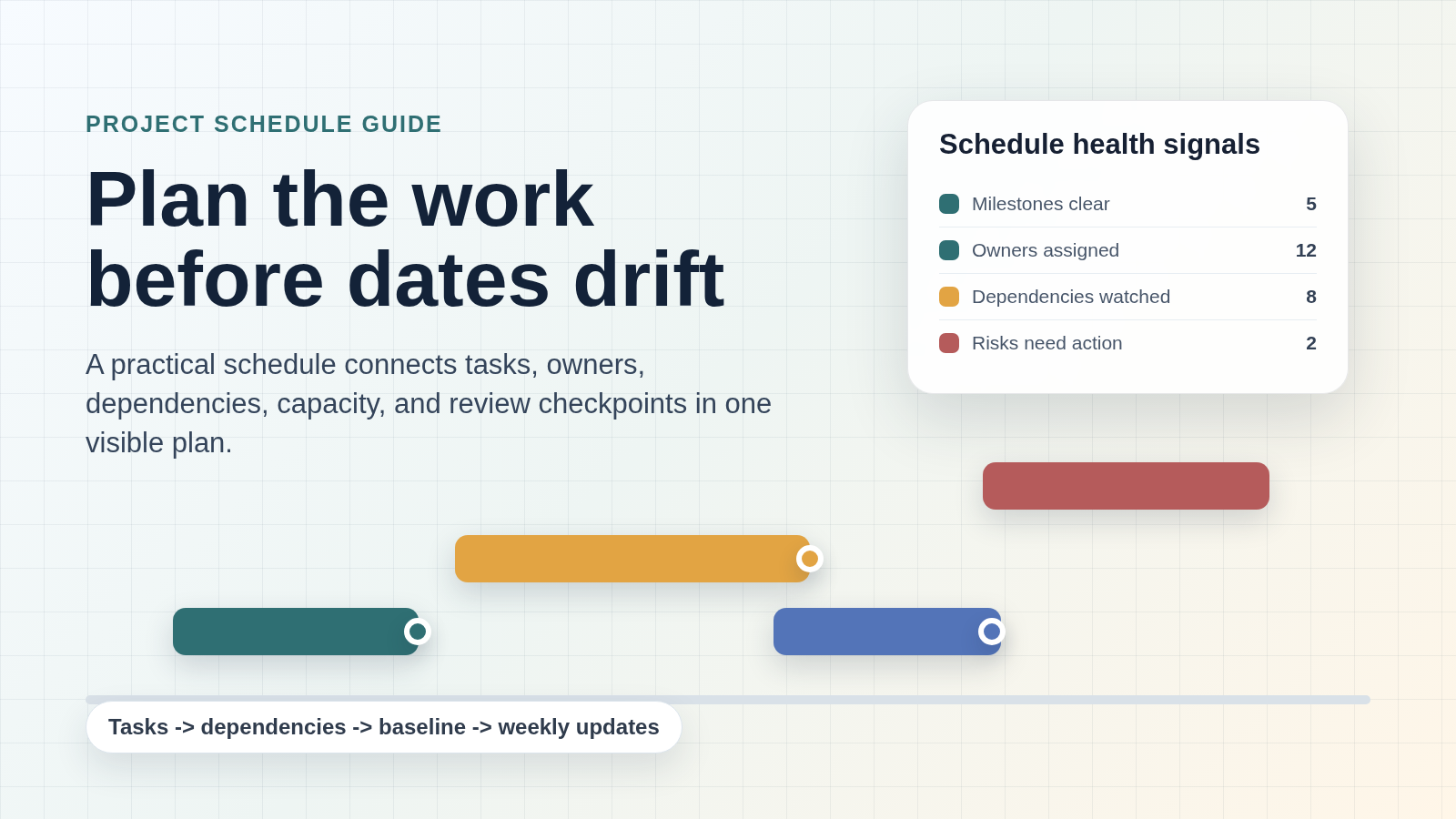
A project roadmap is a visual summary of the key milestones, deliverables, dependencies, and decisions needed to reach a project goal. It gives project managers, contributors, and stakeholders a shared view of where the work is going and how progress will be tracked.
A good roadmap does not need to describe every task in detail. Its job is to make priorities, timing, ownership, and risks clear enough that the team can make better decisions as the project changes.
Why Do You Need a Project Roadmap?
1. Communication
A project roadmap communicates the goals and objectives of the project, along with the major deliverables needed to reach them. This helps stakeholders understand scope, direction, and progress without needing to inspect every task.
2. Planning
A project roadmap helps project managers organize the work required to achieve the project goals. It identifies major milestones, expected timing, and the resources needed to complete each phase.
3. Coordination
A project roadmap coordinates the project team and stakeholders by creating a common understanding of the plan. It also helps reveal dependencies, conflicts, and overlaps before they slow the team down.
4. Tracking Progress
A project roadmap provides a visual representation of the project plan and allows stakeholders to track progress toward the project goals. It can help project managers to identify any potential delays or problems, and to adjust the project plan as needed in order to stay on track.
5. Managing Change
A project roadmap helps project managers to manage change by providing a clear and consistent reference point for the project plan. It allows project managers to assess the impact of changes on the project schedule and resources, and to make adjustments as needed to keep the project on track.
What Should a Project Roadmap Include?
1. Goals and Objectives
The project roadmap should clearly state the goals and objectives of the project, as well as the benefits or value that the project is expected to deliver.
2. Timeline
The project roadmap should include a timeline that identifies key dates and milestones. This helps stakeholders understand the schedule and track progress toward completion.
3. Tasks and Deliverables
The project roadmap should list the tasks or deliverables that need to be completed in order to achieve each milestone. It should also specify the resources (such as people, budget, and equipment) required to complete each task or deliverable.
4. Dependencies
The project roadmap should identify any dependencies between tasks or deliverables, such as tasks that must be completed before others can begin, or tasks that are dependent on the availability of certain resources.
5. Risks and Issues
The project roadmap should include a list of potential risks or issues that may impact the project, along with a plan for addressing them.
6. Status Updates
The project roadmap should include a system for tracking the status of each task or deliverable, such as a color-coded system or a percentage complete indicator. This can help stakeholders to see how the project is progressing and identify any potential delays or problems.
7. Stakeholders
The project roadmap should identify the key stakeholders for the project, including the project team, management, customers, and other parties that are impacted by or involved in the project.
Forms of Project Roadmaps
Roadmaps can take several forms. Here are two common options:
1. Gantt Chart

A Gantt chart is a graphical representation of a project schedule that shows the planned tasks or activities and their corresponding deadlines. It is a useful tool for planning, scheduling, and tracking the progress of a project, as it provides a clear visual representation of the work that needs to be done and the dependencies between tasks.
A Gantt chart typically consists of a horizontal timeline that represents the duration of the project, and a list of the tasks or activities that need to be completed. Each task is represented by a bar on the chart, with the length of the bar indicating the estimated duration of the task. The position of the bar on the timeline indicates the start and end dates of the task, and the bars may be connected with arrows to show the dependencies between tasks.
2. Task List
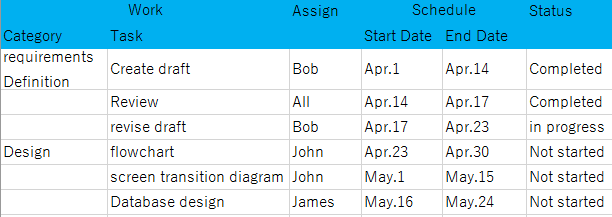
A task list is a list of tasks or activities that need to be completed in order to achieve a specific goal. It is a common tool used in project management to organize and track the progress of work. Task lists can be used for projects of any size and complexity.
A task list typically includes a description of each task, along with information such as the estimated duration of the task, the person or team responsible for completing the task, and any dependencies or constraints that may affect the task. Task lists can be created and managed manually, using a spreadsheet or other document, or they can be created and managed using project management software.
Tips for Building an Effective Project Roadmap
1. Confirm Resources and Build a Realistic Plan
Even a well-designed roadmap becomes ineffective if it is too optimistic. When timing, staffing, or budget assumptions are unrealistic, managers spend more time explaining missed targets than guiding the work.
Roadmaps should be feasible from both a deadline and resource perspective. If the available team, budget, or tools are not enough to meet the target, adjust the plan before work starts or secure the missing resources.
Estimating workload and allocating resources clearly are core management responsibilities.
2. Set Measurable Progress Indicators
After the roadmap is established, managers need to monitor progress against it. If the project is falling behind, they can adjust scope, timing, staffing, or priorities before the delay becomes harder to recover from.
Measurable indicators make that decision easier. If the indicators are vague, managers may struggle to judge whether work is on schedule, how serious a delay is, or what tradeoff should be made.
3. Get Stakeholder Approval Early
One important role of a roadmap is to make the schedule, scope, and tradeoffs visible to stakeholders. If stakeholders do not review the roadmap early, conflicting expectations may only appear after the team has already committed time and budget.
After creating the roadmap, managers should confirm approval from the people who own priorities, budget, delivery expectations, and final acceptance.
Software for Building Roadmaps and Monitoring Progress
When building roadmaps and monitoring progress, managers, employees, and stakeholders need frequent, clear communication. This becomes harder when teams are distributed across locations or time zones.
VoicePing is a virtual workspace that helps remote and hybrid teams stay connected while planning and tracking work. Teams can use it to discuss roadmap changes, review meeting transcripts, and keep project communication in one place.
- Call out – instantly connect with team members
- Transcribe – automatic meeting transcription
- Collaborate – work together in real-time
- Time tracking – monitor project hours
With the right communication and collaboration habits, building and maintaining effective project roadmaps becomes much easier, even for distributed teams.
Try VoicePing Free and improve your project management workflow.