In this article
Learn what micromanaging is, why it hurts team performance, which signs to watch for, and practical ways to manage without excessive control.
Micromanaging is an overly controlling management style where a manager supervises small details, decisions, and workflows more closely than the work requires.
Some oversight is necessary. Micromanagement becomes a problem when the manager’s need for control slows decisions, reduces trust, and keeps team members from owning their work.
Examples of Micromanaging
Common examples include rewriting work without explaining the standard, requiring approval for low-risk decisions, asking for constant status updates, joining every discussion, or prescribing exactly how a task must be done even when the outcome is clear.
For employees, micromanagement can feel frustrating and draining. For managers, it can feel like a practical way to prevent mistakes. The better fix is usually to clarify expectations, agree on checkpoints, and reserve intervention for real risks.
Causes of Micromanaging
Micromanaging can have many causes, including:
- Lack of trust - Not trusting employees to complete tasks correctly
- Fear of failure - Worrying that something will go wrong if left unchecked
- Difficulty delegating tasks - Struggling to let go of control
- Poor communication - Inadequate communication between managers and employees
This behavior is often driven by fear: fear that work will be done incorrectly, that deadlines will slip, or that the manager will be blamed for a problem. Those concerns may be real, but excessive control usually creates new problems instead of solving the root cause.
Negative Effects of Micromanaging

Higher Risk of Burnout and Turnover
Micromanagement increases stress and can push strong employees to disengage or leave. When people feel they are not trusted, they are less likely to take initiative, raise issues early, or stay committed to the team.
Losing Creativity and Productivity
When team members face unnecessary correction, their motivation usually drops. Over time, they may stop proposing ideas because they expect every decision to be overridden.
Micromanagement also reduces peer-to-peer communication. Instead of solving problems together, employees may wait for the manager’s approval, which slows learning and weakens collaboration.
Delay in Progress
Micromanagement might cause delays in delivery for several reasons:
- Incorrect instructions - The manager may not have the same technical context as the person doing the work
- Trouble handling - Extra approval steps can create bottlenecks when problems need quick action
- Increased workload - Frequent reports and explanations add work without always improving the outcome
- Lost focus - Micromanagers may focus on minor details and lose sight of the larger goal
Signs of Micromanagement

These signs can help you identify whether micromanagement is affecting your team:
1. Micromanagers Refrain from Delegating and Interfere with Their Employees’ Work
Micromanagers may assign work but still control every step. They often prefer their own method even when another approach would reach the same result.
2. Micromanagers Hold Long Meetings
Many projects need regular meetings to confirm progress. However, meetings become a warning sign when they are used to inspect every detail instead of resolving decisions or risks.
Micromanagers often extend meetings by focusing on low-impact details.
3. Micromanagers Request Frequent Reports
They want to check progress in real time and address every issue immediately, even when the issue is low risk. Visibility is useful, but reporting everything can cost more time than it saves.
4. Micromanagers Do Not Listen to the Other Person’s Opinion
They may believe their method is the only reliable method. As a result, suggestions, feedback, and specialist judgment from the team are ignored.
Strategies to Avoid Micromanaging
Good management still requires visibility, accountability, and support. The goal is not to disappear from the work, but to create a system where the team can move without constant permission.
1. Focus on Deliverables, Not Every Step
Manage around the result the team needs to produce. Define the deliverable, quality bar, deadline, owner, and constraints, then give the person enough space to decide how to complete the work.
2. Set a Roadmap and Clear Intervention Criteria
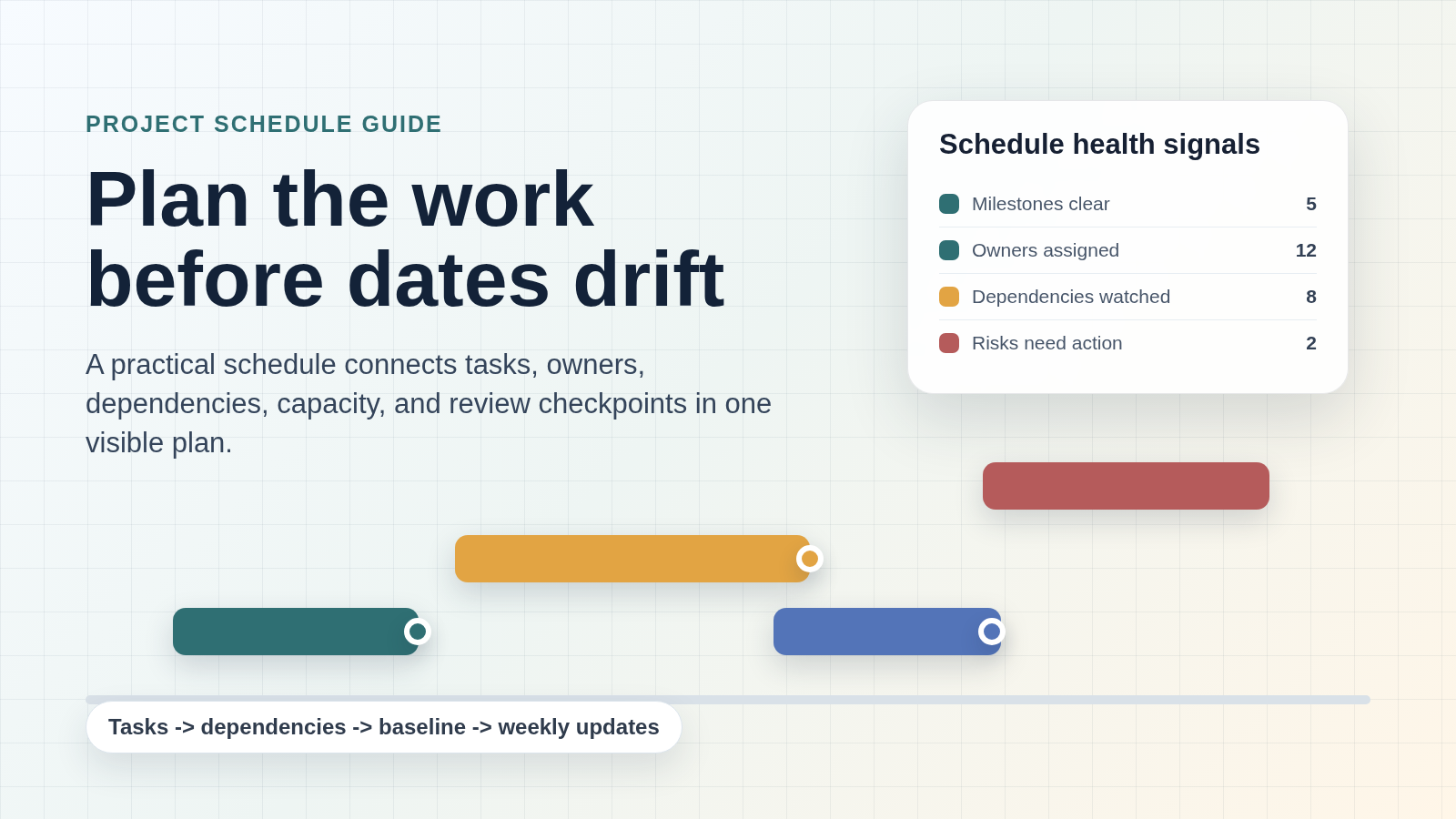
Create a roadmap with milestones, owners, deadlines, and clear checkpoints. If work is progressing against the roadmap, managers can support the team without stepping into every task.
Define when intervention is appropriate, such as missed deadlines, blocked dependencies, quality risks, or decisions that affect budget or customers.
3. Clarify the Information Needed to Track Progress
When checking progress, agree on what information is actually useful. This reduces disputes over low-impact details and keeps attention on outcomes.
To avoid unnecessary oversight:
- Decide which metrics or milestones matter
- Share what updates managers need and how often
- Use checkpoints for risks, blockers, and decisions
- Avoid asking for status updates that do not change any action
Use Tools to Maintain Visibility

Managers often micromanage because they need visibility. A better approach is to create shared context without interrupting people all day.
VoicePing helps remote and hybrid teams communicate, meet, transcribe discussions, and keep work context visible. That makes it easier to follow progress without asking for constant manual updates.
Key benefits of VoicePing:
- Allows teams to coordinate in real time across departments
- Helps ensure everyone is up-to-date on what needs to be done at any given moment
- Reduces the need for repeated emails or messages
- Supports visibility without excessive oversight
VoicePing gives team members a shared virtual space with tools for communication and productive collaboration.
Conclusion
If you’re a manager, it is important to understand when close supervision helps and when it becomes excessive control. Micromanagement may feel useful in the short term, but it can reduce morale, speed, ownership, and creativity.
If you think you might be micromanaging, step back and clarify the outcome, checkpoint, and decision rules. Trust your team, focus on results rather than processes, and use tools like VoicePing to maintain visibility without excessive control.
Try VoicePing Free and discover a better way to manage your team.